
Moving from Michigan to Florida often means no state income tax but higher housing, insurance, and storm considerations. Expect a 1,294-mile drive and a long-distance move that requires a written estimate before you commit. Request that estimate early, check FEMA flood maps for every property on your list, and start your residency and vehicle paperwork before the truck arrives.
TL;DR:
- A binding estimate caps delivery payment at the agreed amount, while an estimate without a fixed price can require up to 110% at delivery.
- Florida requires a driver license within 30 days of residency and vehicle registration within 10 days of residency, employment, or a child’s school enrollment.
- Check FEMA’s flood map for each exact address; standard homeowners insurance generally excludes flood damage, and wind coverage may carry a separate hurricane deductible.
- A carrier may deliver within a window rather than on your arrival date, so leave a few days’ buffer and arrange storage if closing slips.
Table of Contents
- How much does a Michigan to Florida move cost?
- How long does the move take?
- What changes with taxes and residency?
- How do housing and insurance costs compare?
- Where do Michigan movers tend to settle in Florida?
- What should you know before hiring interstate movers?
- What do you need to do at the DMV in Florida?
- How do you prepare for hurricanes and floods?
- What does a month-by-month moving checklist look like?
- What we have learned from Michigan to Florida moves
- How to get a written estimate and book your move with us
- FAQ
- Sources
How much does a Michigan to Florida move cost?
Price comes down to a handful of drivers, and knowing them helps you read any quote critically:
- Shipment weight or volume: more belongings mean more truck space and more labor.
- Distance: the approximately 1,294-mile drive makes this a long-distance move, priced differently from a local one.
- Packing: full-service packing adds labor and materials.
- Specialty items: pianos, safes, and oversized furniture need extra crew and equipment.
- Storage: if your closing date and delivery date do not line up, short-term storage fills the gap.
- Season: summer and month-end dates book fast and tend to cost more.
As a purely illustrative example, not a quote, a household shipment of a few rooms over this distance can land anywhere from several thousand dollars to well beyond that, depending on weight, services, and timing. For our published add-ons, packing runs $1–$2 per cubic foot, specialty item handling starts at $200, storage starts at $0.50 per cubic foot, and elevator or stair fees and long carry charges each start at $75. You can see how those fit together in our moving cost guide.
The estimate type matters as much as the number. FMCSA guidance says that with a binding estimate you pay no more than 100% of the agreed amount at delivery, while with a non-binding estimate the carrier can collect up to 110% at delivery. Services you request after signing can be billed separately. Our explainer on moving estimate types walks through both, and the difference between weight-based and cubic-foot pricing explains why two quotes for the same home can look so different.
Pro Tip: Ask for a written estimate and a virtual or in-home survey, then keep copies of every document you sign.
How long does the move take?
The drive is about 1,294 miles. Your travel time depends on your pace, rest stops, and weather. A full-service carrier works differently: your shipment may share a truck with other loads, so delivery happens inside an agreed window rather than on the day you arrive.
- Self-drive with a rental truck: you control the schedule, but you handle loading, a heavy vehicle, and fuel stops.
- Full-service carrier: crews load, drive, and unload. Pickup and delivery dates are set as windows, and you plan around them.
- Hybrid: you drive your car and family while movers handle the household goods.
If your new home is not ready when the truck arrives, your belongings can go into secure storage and be delivered later. Build a buffer of a few days between your arrival and your delivery window, and pack an essentials kit that travels with you. If you are bringing a group or relatives by air, a Sprinter van rental can handle passenger transfers while the movers handle the freight. Our long-distance moving team can explain how windows are set for your route.
What changes with taxes and residency?
Florida’s tax rules may be one reason Michiganders look south. Review your personal circumstances and current state guidance when comparing costs. The real savings depend on your income, your property, and how carefully you document the change, so treat any figure you hear as a rough guide rather than a promise.
Residency is shown through actions, not a single form:
- Starting Florida employment and updating payroll withholding
- Enrolling children in Florida public schools
- Getting a Florida driver license and registering your vehicles
- Filing for the homestead exemption on a home you own and live in
- Keeping proof of your move date, such as your lease or closing statement and your moving contract
If you may qualify for a homestead exemption, ask the county property appraiser where you buy about eligibility and the filing deadline before you close. Higher insurance and property assessment differences can also eat into early tax savings.
A simple sequence helps: tell your employer your new address, file for homestead as soon as you are eligible, and store a folder of residency documents in one place.
Pro Tip: Keep digital copies of your closing statement, driver license, and voter registration together so you can prove your Florida residency date if anyone asks.
How do housing and insurance costs compare?
Compare current home listings in the specific Florida and Michigan areas you are considering, since housing costs vary by location. Your tax savings can be absorbed by the mortgage and the insurance bill, which is why we recommend running the full monthly cost, not just the price tag.
- Homeowners insurance: wind exposure raises premiums, and some policies carry a separate hurricane deductible.
- Flood insurance: standard homeowners policies generally do not cover flood damage, so you may need a separate policy.
- Property taxes and assessments: the way values are assessed can change after a purchase, so ask what your bill would be under new ownership.
- Wind mitigation credits: features like impact windows, reinforced roof attachments, and shutters can lower premiums.
Before you make an offer, get insurance quotes for the exact address. Ask the seller or agent about prior flood claims and storm damage, and request the roof’s age and any wind-mitigation report. Michigan buyers are used to ice and snow loads, but a roof that handles winter well may not rate well against hurricane winds. A property that looks affordable on a listing can look very different once the insurance line is added to the monthly total.
Where do Michigan movers tend to settle in Florida?
Most people sort Florida into regions and then match them to priorities. Use these as shortlist buckets, not rankings:
- Southeast (Miami, Fort Lauderdale, Palm Beach): nightlife, international airports, and beaches, with the highest coastal premium.
- Central (Orlando, Tampa suburbs, The Villages area): job markets, theme-park economies, and inland prices that often run lower than the coast.
- Gulf Coast (Tampa Bay, Sarasota, Naples): calmer beaches and a strong retirement and snowbird culture, with storm surge considerations.
- Southwest (Fort Myers, Cape Coral): boating, canals, and newer construction, along with notable hurricane exposure.
- Northeast and Panhandle (Jacksonville, St. Augustine, Pensacola): cooler winters, more familiar seasons, and generally gentler prices.
Coastal homes carry a premium, inland neighborhoods tend to be more affordable, and tourist season can swell traffic and rental rates in beach towns. Michiganders who love lake living often feel at home on the Gulf Coast or near inland lakes.
Once you have two or three areas, compare commute times at rush hour, school districts if you have kids, and the flood zone for each neighborhood. Visit in summer if you can, because Florida in July tells you more than Florida in February.
What should you know before hiring interstate movers?
Reputable interstate movers must provide required paperwork. Under FMCSA’s estimating rules, movers must give you a written estimate of all charges and follow federal requirements for documents, payment, inventory, and delivery. Request the documents before you sign, not after.
How the estimate type plays out at delivery:
- Binding: the amount is fixed, and a carrier cannot demand more than 100% at delivery. If you add services or conditions change, a new binding estimate may be required.
- Non-binding: the estimate is not a contract, and the carrier can collect up to 110% at delivery, with the rest billed later.
- Not to exceed: see how a binding not-to-exceed estimate keeps your bill at the agreed ceiling.
Vet every carrier with this checklist:
- Confirm the USDOT number and active authority
- Ask for proof of insurance and the tariff pages
- Get a written inventory and review it line by line
- Photograph your belongings before pickup and note conditions at delivery
Pro Tip: If a quote is far below the others, ask what is excluded. A low number that grows at delivery is not a savings.
Our primer on what a moving estimate is covers how to compare quotes side by side.
What do you need to do at the DMV in Florida?
Florida’s new-resident requirements include deadlines for licensing and vehicle registration. According to Florida’s new resident guidance, you must get a Florida driver license within 30 days of establishing residency, and register vehicles within 10 days of establishing residency, accepting employment, or placing children in public school. You also need proof of Florida-based insurance to finish registration.
Bring these items to your service center:
- Proof of identity
- Proof of Florida insurance for each vehicle
- Check with the Florida service center about any other documents or fees needed for your situation.
See the state’s registration requirements for details before your visit, and line up your Florida insurance policy before you leave Michigan so you are not scrambling in week one.
How do you prepare for hurricanes and floods?
Check the property before you fall in love with it. FEMA recommends using the Flood Map Service Center to verify flood-zone risk for a specific address, because even areas away from the water can flood from heavy rainfall. Inland does not mean safe.
- Flood insurance: compare National Flood Insurance Program policies with private flood coverage, and ask when coverage takes effect.
- Wind coverage: know whether your policy has a separate hurricane deductible and what it costs.
- Mitigation credits: impact windows, roof straps, and shutters can reduce premiums.
- Elevation certificate: ask the seller whether one exists, since it can affect flood rates.
- Evacuation plan: know your zone, your route, and where your family and pets would go.
Keep a photo or video inventory of your belongings in cloud storage so a claim is easier to document.
Pro Tip: Schedule your delivery outside the peak of hurricane season when you can, and keep a backup date in mind.
What does a month-by-month moving checklist look like?
Work backward from your target date, and adjust for your closing and delivery windows.
- Early planning: research neighborhoods, set a budget using moving cost estimates, declutter, and collect quotes from interstate movers. Book your carrier.
- As plans take shape: schedule your survey, decide on packing and storage, and start a document folder for residency.
- As moving day approaches: confirm dates in writing, begin packing, line up Florida insurance, and notify utilities and your employer.
- Before departure: forward your mail, transfer prescriptions, and confirm the delivery window.
- Move week: finalize the inventory, pack an essentials kit, and take photos of valuable items.
- Delivery day: inspect each item against the inventory, note damage before signing, and pay under the terms of your estimate type.
If timing does not line up, our guides to storage solutions for long-distance moves and interstate moving for families can help you plan the gap.
What we have learned from Michigan to Florida moves
We specialize in long-distance and interstate moves, and we recommend written estimates and a plan that respects the weather. First, check flood risk and insurance on the exact address before closing, because the premium can change the whole budget. Second, think about hurricane season when you set pickup and delivery dates, and keep a flexible backup window. Get your estimate in writing, document your insurance and your inspection notes, and only then commit to the house.
— AMB
How to get a written estimate and book your move with us
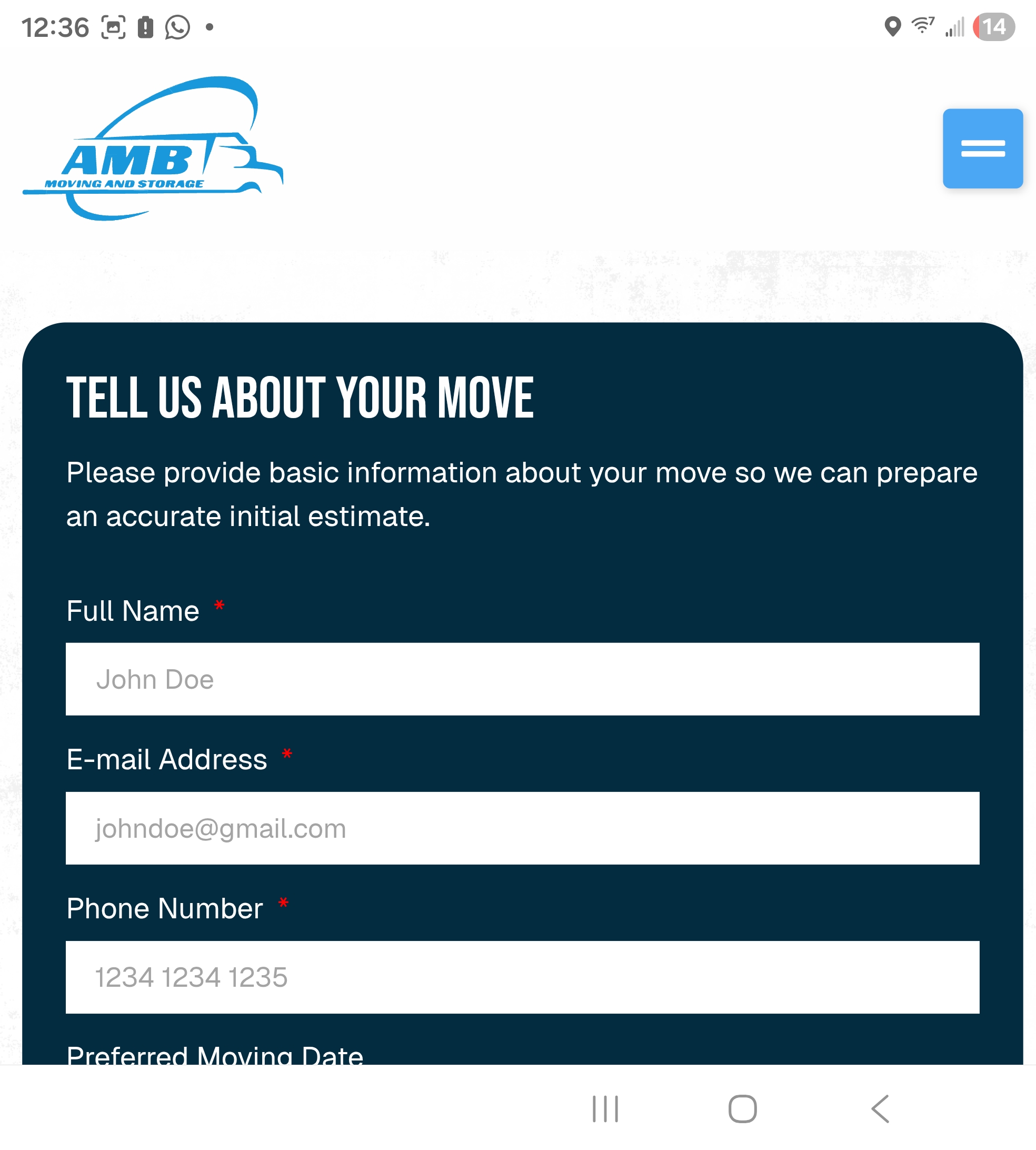
Request a binding or non-binding written estimate from us and schedule a virtual or in-home survey. We handle long-distance moving, interstate moving, packing, specialty handling, and storage, and as a nationwide moving company we can cover your whole route. Get your quote now.
FAQ
How many days does it take to get to Florida from Michigan?
Driving yourself covers roughly 1,294 miles, with travel time depending on your pace and stops. A moving carrier delivers inside an agreed window, which can be longer than your own drive.
Are there tax benefits to moving to Florida?
Florida’s tax rules may appeal to some movers. Compare your full budget before deciding. Higher insurance and housing costs can offset the savings, so run your full budget before deciding.
How can I relocate to Florida?
Start with a written moving estimate, then plan your housing, insurance, and residency steps. Plan to get your Florida driver license within 30 days of establishing residency and register your vehicles within 10 days of establishing residency, accepting employment, or placing children in public school, as described in Florida’s new-resident guidance.
What is the difference between binding and non-binding estimates?
A binding estimate fixes your delivery payment at no more than 100% of the agreed amount. A non-binding estimate lets the carrier collect up to 110% at delivery.
Should I check flood risk before buying in Florida?
Yes. Use FEMA’s Flood Map Service Center for the exact address, since areas away from water can still flood.
Sources
- Fmcsa
- Estimating Charges (Subpart D) | FMCSA
- New Resident – Welcome to Florida! – Florida Department of Highway Safety and Motor Vehicles
- Fema
- Driving Distance from Michigan to Florida