
Moving from California to Florida tends to pay off financially for most families, mainly because Florida charges no state income tax and typical home values run far below California’s. The tradeoffs are real too: hurricane exposure, rising property insurance, and a different pace of life. Before committing, request interstate moving cost estimates and compare housing markets in the Florida cities you’re considering.
TL;DR:
- Interstate moving costs from California to Florida depend heavily on home size, distance, and extra services, with packing costing $1 to $2 per cubic foot.
- The biggest long-term financial advantage for Florida residents is the absence of state income tax, which can save households thousands annually.
- Florida’s housing is significantly more affordable, with average home prices around $375,470 compared to California’s $764,158, though coastal areas have higher costs.
- Flood and hurricane risks in Florida increase property insurance costs, especially near coasts, but inland locations typically offer lower premiums and lower flood exposure.
- Proper planning, including early booking, detailed inventory, understanding insurance options, and verifying flood risks, is essential for a smooth cross-country move.
Table of Contents
- What a California to Florida Move Actually Costs
- Housing and Neighborhoods: Where Californians Tend to Land
- Life in Florida: The Upsides and the Adjustments
- Interstate Moving Rules and Logistics You Need to Know
- Your 8 to 12 Week Moving Checklist
- How AMB Approaches a California to Florida Relocation
- Jobs and the Economy: California vs. Florida
- Healthcare: What Changes When You Move
- Schools: What Families Should Compare
- Updating Your Legal Documents and Voter Registration
- Setting Up Utilities and What They’ll Cost You
- What We Hear Most From Families Making This Move
- Planning Your Move? Here’s How We Can Help
- FAQ
- Sources
What a California to Florida Move Actually Costs
The total bill for a cross-country relocation depends on three things: how far you’re going, how much you own, and what extra services you need along the way. For a California to Florida household move, distance alone puts this squarely in long-distance moving territory, often spanning thousands of miles depending on your origin and destination cities.
Two accessorial charges catch people off guard most often:
- Elevator or stair fees start around $75 when a crew can’t park a truck close to your door.
- Long carry charges also start around $75 when the distance between the truck and your entrance exceeds a set threshold.
Understanding binding versus non-binding estimates matters as much as the dollar figure itself. A binding estimate locks in a final price based on an accurate inventory.
The biggest long-term cost driver isn’t the move itself, it’s the tax code. California taxes income on a progressive scale that can reach into double digits for higher earners, while Florida collects no state income tax at all. For a household earning $120,000 a year, that difference alone can mean thousands of dollars in additional take-home pay annually, though the exact figure depends on your bracket, deductions, and filing status.
Purchasing power tells a similar story. The Bureau of Economic Analysis reported a 2024 Regional Price Parity of 110.7 for California and 102.1 for Florida, meaning a dollar buys noticeably more in Florida across housing, goods, and services. By mid-2026, average home values reflected that gap sharply: about $764,158 in California versus $375,470 in Florida.
That price parity gap of nearly nine points translates into real monthly savings on rent, groceries, and services, not just home prices.
None of this means Florida is cheap across the board. Recurring costs shift shape rather than disappear. Flood and wind insurance, often sold separately from a standard homeowners policy, can add hundreds of dollars a month in coastal counties. Air conditioning runs nearly year-round given Florida’s climate, so energy costs tend to rise even as housing costs fall. Property insurance premiums statewide have climbed due to hurricane risk and rebuilding costs, a trend worth researching for any specific zip code before you sign a lease or a mortgage.
Housing and Neighborhoods: Where Californians Tend to Land
The home-value gap between the two states changes what “affordable” means once you cross state lines. At roughly $375,470 average in Florida against $764,158 in California, the same down payment that barely covers a starter condo in San Jose can fund a meaningful down payment on a single-family home in Orlando or Tampa.
Florida’s housing market isn’t uniform, though. Coastal metro areas like Miami, Fort Lauderdale, and Naples carry premiums for waterfront access and carry higher flood insurance costs to match. Inland growth corridors, including parts of greater Orlando, Ocala, and Lakeland, tend to offer more house for the money and lower flood exposure, though summer heat and humidity are consistent statewide.
Newcomers from California often gravitate toward a few patterns: tech and remote workers heading to Tampa Bay and Orlando for job access and newer housing stock, retirees settling along the Gulf Coast for milder winters and golf communities, and younger families choosing suburbs around Jacksonville or Ocala for larger lots and lower price points per square foot.
Before making an offer on a home, run through a practical checklist:
- School zone quality matters as much in Florida as it did in California, so check state report card ratings for the specific school, not just the county.
- Commute reality can surprise newcomers, since Florida’s highway network and lack of a BART-style rail system in most metros means longer drive times than map distance suggests.
- Flood history on the property and street should be checked against FEMA flood maps before you fall in love with a listing.
- HOA rules in Florida communities are often more restrictive than California norms, covering everything from paint colors to RV parking.
Two due-diligence steps are worth the extra hour: pull the FEMA flood map for the exact parcel, and ask the seller or agent about repetitive-loss claims history. A property with prior flood claims often requires costly elevation or mitigation work, and insurers price that risk into your premium whether or not you plan to file a claim.
Life in Florida: The Upsides and the Adjustments
Most transplants from California list the same things they appreciate first: warm weather nearly year-round, beach access without a four-hour drive, lower housing costs in most markets, and that no-state-income-tax paycheck. Many also find Florida’s overall pace a little more relaxed than coastal California’s.
What people miss varies by where in California they came from. Northern California transplants often miss the dry summers and dramatic temperature swings between coast and inland valleys. Southern California transplants miss hiking trails with elevation, specific food scenes, and the broader West Coast cultural rhythm, including proximity to mountains and desert within a short drive.
The honest downsides center on climate. Florida summers bring heat and humidity that outlast California’s dry heat by months, not weeks. Hurricane season runs June through November, and flood risk extends well beyond coastal zip codes thanks to Florida’s flat terrain and heavy rainfall patterns. These risks show up financially, too, as insurers price wind and flood coverage based on location, construction age, and mitigation features.
A few practical moves reduce that exposure:
- Impact windows or storm shutters lower both storm risk and insurance premiums in many counties.
- Elevated or newer construction typically qualifies for better flood insurance rates than older slab-on-grade homes in flood zones.
- Choosing inland over coastal when job location allows cuts both flood risk and insurance cost meaningfully.
Pro Tip: Ask any Florida homeowner’s insurance agent for a wind mitigation inspection before closing. It can lower your premium by a noticeable margin and flags issues worth fixing before move-in.
Interstate Moving Rules and Logistics You Need to Know
Federal law governs every interstate household goods move, and knowing the basics protects you from the handful of bad actors in the moving industry. The Federal Motor Carrier Safety Administration requires every interstate mover to provide a written estimate before the move, issue a bill of lading that serves as the legal contract for your shipment, and maintain a publicly available tariff listing its rates and rules.
Here’s what to expect and request at each stage:
- Get a written estimate first. Never accept a verbal quote for an interstate job, and request either a binding estimate or a clear explanation of the 110% rule for non-binding estimates.
- Understand how weight is determined. Reputable carriers weigh the truck empty and full, origin and destination, and you have the right to witness both weighings.
- Review the bill of lading carefully before signing. This document is your contract, listing pickup and delivery dates, charges, and liability terms.
- Choose your valuation coverage deliberately. Released value protection, the free default, pays out at a fraction of an item’s worth per pound, while full value protection costs more but covers replacement or repair cost. Our guide on full value protection breaks down why skipping this coverage can mean a $30 payout for a broken television.
- Request the “Your Rights and Responsibilities When You Move” booklet. Federal law requires movers to provide this booklet, and it explains your protections in plain language.
Movers may collect no more than 110% of a non-binding estimate at delivery, with any balance due within 30 days, per FMCSA rules. That single rule prevents the most common complaint in interstate moving: a final bill that’s wildly higher than the quote.
Liability insurance sold by a mover is not the same as the federal valuation coverage described above, and confusing the two leads to disputes after damage occurs. Our breakdown of moving insurance for interstate moves explains how released value, full value protection, and third-party insurance options differ, and when each makes sense. For background on the broader rules governing interstate carriers, see our overview of federal regulations for movers.
Once you’re physically in Florida, a separate set of deadlines kicks in. The Florida Department of Highway Safety and Motor Vehicles requires new residents to apply for a Florida driver’s license within 30 days of establishing residency, and to register any vehicles within 10 days. Voter registration has no hard deadline but should happen early if you want to vote in the next election cycle. If you’re buying a primary residence, look into Florida’s homestead exemption, which reduces the taxable value of your home for property tax purposes once you file with your county property appraiser.
Your 8 to 12 Week Moving Checklist
A cross-country move runs smoother with a week-by-week plan rather than a last-minute scramble. Here’s a realistic timeline for a California to Florida relocation:
- 8 to 12 weeks out: Research moving companies, request at least three written estimates, and ask each about binding versus non-binding pricing before booking.
- 6 weeks out: Book your mover once you’ve compared estimates, and start sorting belongings into keep, sell, donate, and store categories.
- 4 weeks out: Begin packing non-essentials, order any specialty crating for pianos or art, and confirm your mover’s pre-move survey date.
- 2 weeks out: Start using up frozen and perishable food, schedule utility disconnection in California and connection in Florida, and confirm your final inventory list with your mover.
- 1 week out: Pack a personal essentials bag for documents, medications, and valuables that travel with you rather than the truck.
- Move day: Walk the empty home with your crew lead, confirm the inventory sheet matches what’s loaded, and keep your bill of lading accessible.
- First 30 days in Florida: Unpack and inspect for damage immediately, file any claims promptly, and complete your driver’s license and vehicle registration within their respective deadlines.
If your closing dates don’t line up, ask about short-term storage rather than rushing a move-in. Specialty items like pianos deserve dedicated handling rather than general packing, since improper crating is the most common cause of transit damage on long moves.
How AMB Approaches a California to Florida Relocation
On a move this long, the details that matter are a precise pre-move survey, an accurate inventory, and origin-to-destination weighing that protects you from estimate creep. We handle long-distance moving, professional packing, specialty item handling for pianos and safes, and storage-in-transit when your California move-out date and Florida move-in date don’t align.
We ensure that moves follow federal requirements including providing a written estimate, a bill of lading, and explaining valuation options before signing. When you request a quote, the more detail you provide on inventory, access points at both ends, and desired dates, the more accurate your estimate will be from the start.
Jobs and the Economy: California vs. Florida
Job markets in the two states reward different strengths. California’s economy leans heavily on technology, entertainment, and biotech, concentrated around the Bay Area and Los Angeles, with salaries to match the state’s higher cost of living. Florida’s economy centers more on tourism, healthcare, logistics, and a growing finance and tech presence around Miami and Tampa.
Remote work has changed the calculus for many transplants. If your job already allows remote or hybrid work, moving to Florida often means keeping your California-level salary while paying Florida’s lower cost of living, a combination that drives much of the migration pattern. For workers tied to specific industries, Florida’s finance sector in Miami and health care systems statewide offer growing opportunities, though entry-level wages in many Florida sectors still trail California’s, even after adjusting for cost of living differences.
Before relocating for a specific job, research salary ranges in your target Florida metro directly rather than assuming a straight cost-of-living adjustment from your California pay.
Healthcare: What Changes When You Move
Healthcare access shifts in ways worth planning for before you move, not after. California’s health insurance marketplace includes Covered California, the state’s own exchange, while Florida relies on the federal marketplace at healthcare.gov. If you’re not covered through an employer, you’ll need to shop a new marketplace and confirm your preferred providers, if any carry over, participate in your new plan’s network.
Provider availability varies by region in both states. Major Florida metros like Miami, Orlando, and Tampa have well-developed hospital systems and specialist networks, while rural counties in both states can mean longer drives for specialized care. If you manage a chronic condition, request records transfer from your California providers before you move and research specialists in your new area early, since some practices have long wait times for new patients.
Medicare rules travel with you regardless of state, but Medicare Advantage and Medigap plan availability differs by state and county, so retirees should compare plan options in their specific Florida county before enrollment deadlines.
Schools: What Families Should Compare
Families with school-age children should treat school quality as a housing decision, not an afterthought. Florida’s public school system is organized by county rather than smaller districts as in much of California, which means school assignment often depends on your specific address within a county rather than a separate school district boundary.
Florida has expanded school choice options in recent years, including charter schools and voucher programs that let some families choose schools outside their zoned assignment. California’s system leans more heavily on neighborhood-zoned public schools, with open enrollment policies varying significantly by district.
Before choosing a neighborhood, check Florida’s school grading system for the specific elementary, middle, and high school your address would feed into, not just the county’s overall reputation. A home one street over can mean a different, and sometimes very different, school assignment.
Updating Your Legal Documents and Voter Registration
Becoming a Florida resident triggers a short list of required updates, most of them straightforward but time-sensitive. As noted earlier, the Florida Department of Highway Safety and Motor Vehicles requires a new driver’s license within 30 days of establishing residency and vehicle registration within 10 days.
Voter registration has no fixed deadline but should happen as soon as you have a permanent address, since Florida requires registration by a set date ahead of each election to be eligible to vote in it. You can register when you apply for your driver’s license or separately through your county elections office.
Updating your legal address also means notifying your bank, employer, insurance providers, and the IRS, and filing a change of address with the United States Postal Service so mail forwards correctly during the transition. If you’re buying a home, filing for Florida’s homestead exemption with your county property appraiser can reduce your taxable property value, but it requires proof that the home is your primary residence as of January 1 of the tax year.
Setting Up Utilities and What They’ll Cost You
Utility setup works differently in Florida than in most of California, mainly because of how heavily air conditioning factors into monthly bills. In California, utilities are typically split between providers like Pacific Gas and Electric or Southern California Edison for power, with relatively moderate cooling needs for much of the year.
In Florida, electricity providers like Florida Power & Light or Duke Energy Florida serve most of the state, and air conditioning runs far more of the year given the climate. That shifts the balance of a typical utility bill toward electricity even as water and sewer costs often run lower than in parts of California.
Schedule utility disconnection at your California address and connection at your Florida address around your move date, ideally a few days before move-in so the home is cooled and ready when your belongings arrive. Ask your new utility provider about any required deposits for new accounts, since some Florida utilities require a deposit for customers without an established payment history in the state.
What We Hear Most From Families Making This Move
Three questions come up constantly: how much will this really cost, when should we book, and how do fragile items survive a cross-country trip. The honest answer is that cost surprises almost always trace back to skipped details, like an unlisted piano or a fourth-floor walk-up, so a thorough pre-move survey matters more than the initial quote number.
Booking six to eight weeks ahead gives you better rate options and scheduling flexibility than booking two weeks out. Most resolution patterns we see involve families who got multiple estimates, asked pointed questions about valuation coverage, and treated the bill of lading as something to read, not just sign.
— AMB
Planning Your Move? Here’s How We Can Help
A move from California to Florida involves more moving parts than a local relocation, which is exactly where a licensed interstate moving team earns its keep. We offer long-distance moving, professional packing services, specialty handling for pianos and safes, and storage solutions when your timelines across two states don’t line up perfectly.
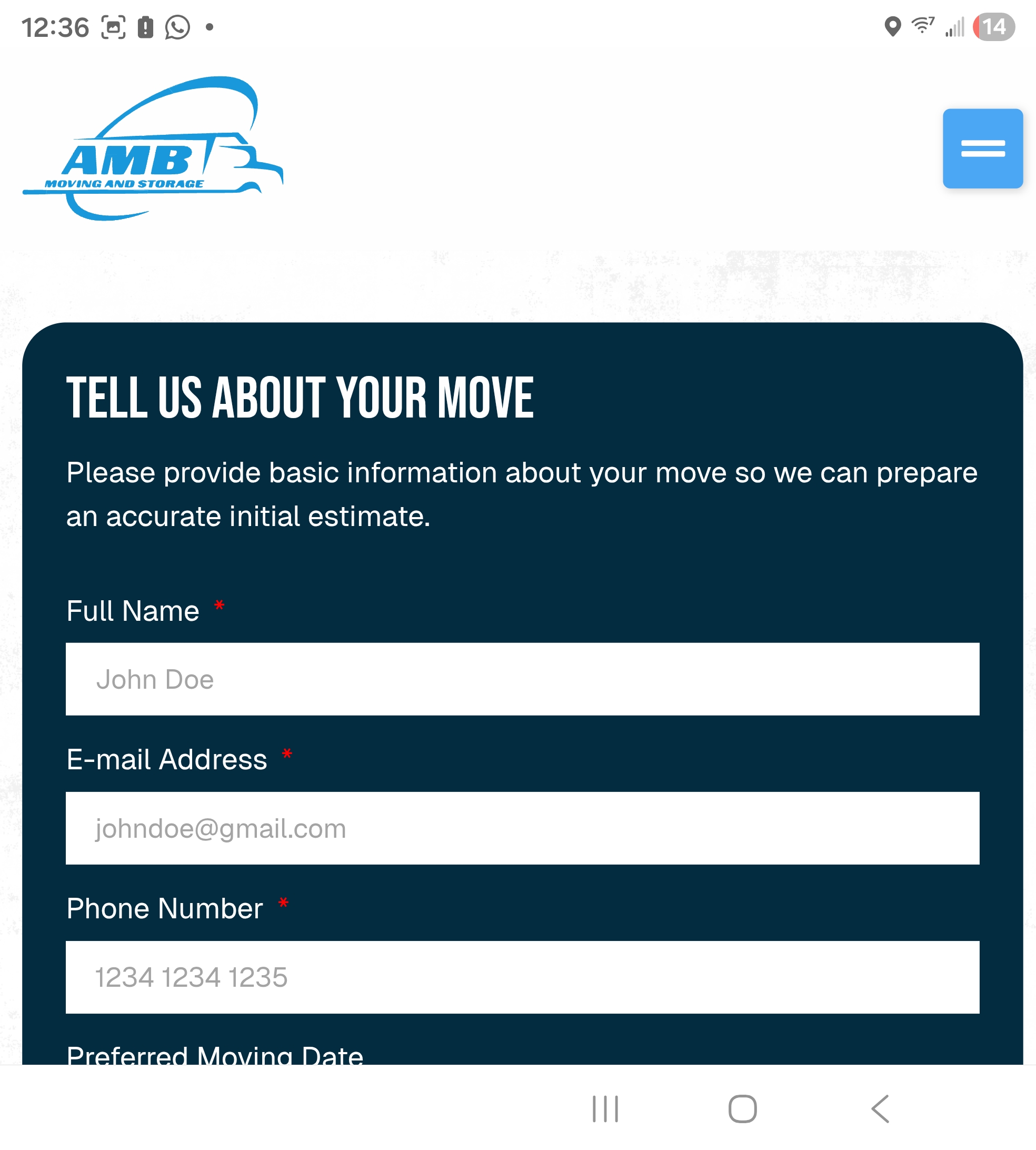
When you request a quote, give us as much detail as you can: your current address, your destination, an inventory of major items, and any access challenges like stairs or narrow driveways.
A few things worth doing before you book with anyone:
- Collect at least three written estimates so you can compare pricing and services side by side.
- Ask every mover directly about binding versus non-binding pricing and what their process looks like for each.
- Confirm specialty item handling separately if you own a piano, safe, or other oversized item.
Ready to see real numbers for your move? Request your interstate moving quote and get a written estimate built around your actual inventory and timeline.
FAQ
Is it a good idea to move from California to Florida?
For most families, the financial case is strong: Florida charges no state income tax, and average home values run far below California’s, based on Bureau of Economic Analysis price parity data. The tradeoff is hurricane season and rising property insurance costs, so weigh both before deciding.
What is the biggest risk of living in Florida?
The biggest risk is climate exposure: hurricane season runs June through November, and flood risk extends beyond coastal areas due to Florida’s flat terrain. Checking FEMA flood maps and a property’s claims history before buying helps you understand that risk for a specific address.
Which state is better to live in, Florida or California?
Neither state is universally better, since the answer depends on your priorities around taxes, housing costs, climate, and career. Florida tends to win on cost of living and tax burden, while California offers different job market strengths in tech and entertainment and a different climate profile.
Is it smart to move to Florida right now?
Florida’s population grew 8.9% between 2020 and 2025, while California’s declined 0.5% over the same period, according to Census Bureau estimates, reflecting sustained demand for Florida housing and jobs. Whether it’s smart for your specific situation depends on your job flexibility, family needs, and tolerance for hurricane season.
How much does it cost to move from California to Florida?
Costs vary by shipment weight, distance, and services like packing or storage, with packing running $1 to $2 per cubic foot and storage starting around $0.50 per cubic foot. Getting a written estimate based on your actual inventory is the only reliable way to know your specific total.
Sources
- U.S. Census Bureau — QuickFacts (state population estimates)
- Bureau of Economic Analysis — Regional Price Parities by State and Metro Area
- Florida Highway Safety and Motor Vehicles — New resident information
- FMCSA — Before Requesting Services from Any Mover (Subpart B)