


TL;DR:
- Military relocation involves moving service members and families to new duty stations through PCS orders supported by federal programs. Proper planning, early resource use, and a hybrid moving strategy help families handle logistics, finances, and family adjustment effectively during the transition.
Military relocation is the process by which active duty service members and their families move to a new duty station under Permanent Change of Station (PCS) orders, supported by federal programs, financial entitlements, and community resources. The Defense Department coordinates roughly 400,000 PCS moves each year, making this one of the largest organized relocation programs in the United States. Resources like Military OneSource and the Defense Personal Property System (DPS) exist specifically to reduce the burden on families navigating these transitions. This guide covers every major aspect of a PCS move, from logistics and finances to spousal employment and housing, so you can plan with confidence.
What is military relocation and how does the PCS process work?
A Permanent Change of Station is a long-term transfer to a new duty station, typically lasting two to four years. That assignment length shapes everything from your housing search to your children’s school enrollment timeline.
PCS moves fall into two geographic categories. CONUS moves are transfers within the contiguous United States. OCONUS moves involve overseas duty stations, including Alaska, Hawaii, and foreign countries. OCONUS moves carry additional regulations around customs, vehicle shipping, and dependent travel that CONUS moves do not.
Your official PCS orders are the starting point for every action. No moving company, housing office, or transportation coordinator will schedule anything without them. Once orders arrive, you register your move through the Defense Personal Property System, the federal platform used to schedule, track, and manage household goods shipments.
Two primary moving methods are available to you:
- Government-arranged move (GTC). The military contracts a carrier to pack and transport your household goods. Weight limits apply based on rank.
- Personally Procured Move (PPM). You arrange your own transport and receive a reimbursement from the government. This option gives you more control over timing and carrier selection.
Pro Tip: Request your PCS orders in writing as early as possible. Delays in receiving orders compress your planning window and increase the risk of rushed decisions on housing and movers.
What resources and support programs are available for PCS moves?
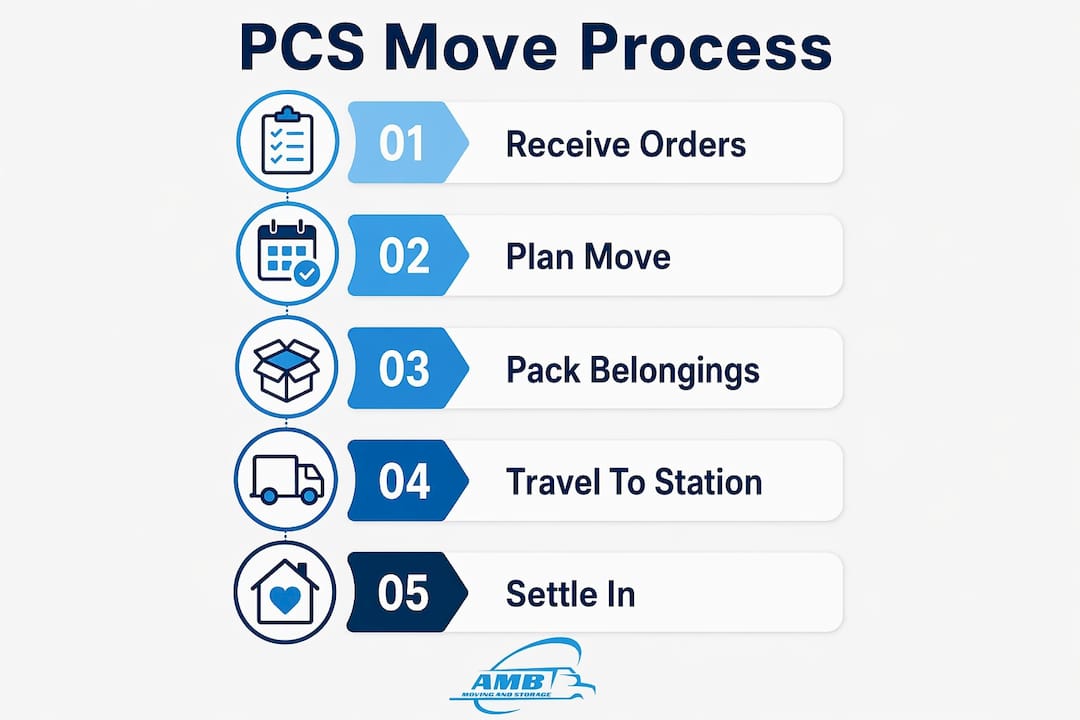
The federal government funds a wide network of support programs specifically for military families in transition. Knowing which offices to contact before you leave your current station saves significant time and stress.
Military OneSource provides 24/7/365 consulting support by phone and live chat. Consultants help with everything from finding childcare at your new installation to connecting you with financial counselors. The service is free and available globally, which matters for OCONUS moves where local English-language resources are limited.
The Plan My Move tool, available through Military OneSource, generates a customized PCS checklist based on your family’s specific situation. It organizes tasks chronologically so you do not miss critical deadlines like vehicle registration or school enrollment windows.
Five key support resources every family should contact before a PCS:
- Relocation Assistance Program (RAP) office. Located on most installations, RAP offices provide predeparture briefings and newcomer orientations at your gaining installation. They also connect you with school liaison officers.
- Military and Family Support Centers. These centers offer counseling, financial planning workshops, and employment assistance for spouses.
- MilitaryINSTALLATIONS. This online database provides base-specific information including housing wait times, childcare availability, and on-post services.
- Your military sponsor at the gaining installation. A sponsor is assigned to help your family with arrival logistics, local area orientation, and initial housing questions.
- Special needs coordinators. If any family member has a medical or educational special need, contact the Exceptional Family Member Program (EFMP) early. EFMP enrollment affects which duty stations you can receive.
How to manage finances during a military relocation
A PCS move is a major financial event, not just a logistics exercise. Financial stress during PCS most often results from the gap between expenses you pay upfront and reimbursements that arrive weeks later. That gap can stretch your budget significantly if you have not planned for it.
Hidden costs catch many families off guard. Common out-of-pocket expenses include:
- Extended temporary lodging when permanent housing is not immediately available
- Pet boarding or transport fees, which the government does not reimburse
- High food costs during travel days and hotel stays
- Security deposits and utility setup fees at your new location
- Immediate household purchases when your shipment is delayed by weeks
“Cost planning before a PCS should account for non-reimbursable items such as pet travel, extended lodging, and initial home setup expenses, which are typically underestimated.” — PCS Planning 101
Set aside personal savings before your move date. Financial counselors at Military and Family Support Centers recommend building a buffer specifically for the gap period. You can also review a detailed breakdown of typical relocation expenses for long-distance moves to benchmark your budget against real costs.
Understanding your entitlements before you move is equally important. Dislocation Allowance (DLA), Temporary Lodging Expense (TLE), and Per Diem payments each have specific eligibility rules and caps. Read your entitlement summary in your PCS orders carefully, and ask your finance office to clarify anything that is unclear.
What strategies help spouses find work and families adapt after a PCS?
Spousal career disruption is one of the most significant and least discussed costs of frequent military transfers. Military spouses take an average of 19 weeks to secure new employment after a PCS move. That is nearly five months of lost income, which compounds the financial pressure of the move itself.
Starting the job search before you leave your current station is the most effective way to shorten that gap. The Military Spouse Employment Partnership (MSEP) portal connects spouses with employers who have committed to hiring and retaining military families. Virtual interviews and remote-friendly roles have expanded significantly, making it realistic to accept a position before you physically arrive at your new duty station.
Family adaptation strategies that work:
- Enroll children in sports or extracurricular programs immediately. Structured activities build friendships faster than classroom settings alone.
- Attend newcomer orientations at your gaining installation. These events introduce you to other families in the same transition phase.
- Join installation Facebook groups or community apps before you arrive. Local knowledge from current residents is more current than any official guide.
- Use school liaison officers. They coordinate directly with local school districts to place your children appropriately and transfer records without delays.
- Access counseling early. Military and Family Support Centers offer free counseling for transition-related stress. Isolation is a frequently overlooked challenge during PCS moves, and proactive engagement with community programs reduces it significantly.
Pro Tip: Begin your spouse’s job search at least 60 days before your move date. Use MSEP and LinkedIn simultaneously. Remote-first employers are increasingly open to candidates who list a future duty station address.
What housing and moving options exist for military families?
Military housing options fall into three main categories, each with different tradeoffs on cost, availability, and flexibility.

| Housing type | Key advantage | Main consideration |
|---|---|---|
| Government quarters (on-post) | No out-of-pocket rent; utilities often included | Wait lists can be long; limited availability at some installations |
| Privatized housing (on-post) | More modern units; managed by private companies | Basic Allowance for Housing (BAH) typically covers rent |
| Private rental or purchase (off-post) | Greater choice and flexibility | Requires independent lease negotiation and local market research |
On-post housing wait lists at high-demand installations can run several months. Arriving families often spend that time in temporary lodging, which draws down your TLE entitlement quickly. Researching wait times through MilitaryINSTALLATIONS before your move date lets you decide whether to pursue off-post housing from the start.
For the physical move itself, a hybrid approach is common and practical. You use the government-contracted carrier for the bulk of your household goods while personally transporting valuables, documents, and items you cannot risk losing in a delayed shipment. This combination gives you the weight allowance benefit of a government move and the control of a PPM for critical items.
Choosing a moving partner with experience in long-distance military moves matters more than price alone. Carriers familiar with DPS requirements, weight ticket procedures, and military-specific timelines reduce the risk of damaged or delayed goods. If your shipment arrives before your housing is ready, secure storage solutions that offer flexible access and climate control. An interstate moving guide built for families can also help you organize shipment coordination step by step.
Key Takeaways
Successful military relocation requires early financial planning, active use of federal support programs, and a hybrid moving strategy that combines government resources with personal preparation.
| Point | Details |
|---|---|
| Start with official PCS orders | No housing, transport, or school enrollment can proceed without written orders in hand. |
| Use Military OneSource early | The 24/7 consulting service and Plan My Move tool prevent missed deadlines and reduce planning errors. |
| Budget for the reimbursement gap | Set aside personal savings to cover lodging, pet fees, and household setup before payments arrive. |
| Begin spouse job search 60 days out | The 19-week average employment gap shrinks significantly when the search starts before the move. |
| Choose experienced long-distance movers | Carriers familiar with DPS and military timelines reduce the risk of damaged or delayed shipments. |
What I’ve learned from working with military families on PCS moves
Most families underestimate how much a PCS move differs from a standard residential move. The paperwork alone, from DPS registration to entitlement claims, can consume days of focused effort. Families who treat the move as a project with a formal timeline consistently have better outcomes than those who rely on the military system to manage everything for them.
The financial gap between departure and reimbursement is the single biggest source of stress I see. Families who build a dedicated PCS savings buffer of even a few thousand dollars report far less anxiety during the transition. That buffer is not a luxury. It is a planning requirement.
On the family side, the fastest path to feeling settled is community engagement, not unpacking. Children who join a team or club within the first two weeks of arrival adapt faster than those who wait until school starts. Spouses who connect with other military families at newcomer events report shorter periods of isolation. The logistics of the move matter, but the emotional reset happens through people, not boxes.
— AMB
How Ambmovingservices supports military families on the move
Military PCS moves demand a moving partner who understands federal weight limits, DPS coordination, and the tight timelines that come with official orders.
Ambmovingservices specializes in long-distance and interstate moves for military families across the United States. The team handles everything from full-service packing to secure storage when your housing is not ready on arrival. Every move is coordinated by experienced professionals who know how to work within military relocation timelines. Request a personalized moving quote today and get a clear plan built around your PCS orders, your family’s needs, and your move date.
FAQ
What is a PCS move in the military?
A Permanent Change of Station (PCS) move is an official transfer of a service member to a new duty station, typically lasting two to four years. The government provides financial entitlements and moving support to assist with the transition.
How does Military OneSource help with PCS moves?
Military OneSource offers 24/7/365 consulting support by phone and live chat, plus the Plan My Move tool to create a customized relocation checklist. Both services are free to active duty service members and their families.
What hidden costs should I expect during a PCS move?
Common out-of-pocket expenses include temporary lodging, pet transport fees, food costs during travel, and household purchases when shipments are delayed. These costs are typically underestimated and are not fully covered by government reimbursements.
Can I use my own moving company for a military PCS?
Yes. The Personally Procured Move (PPM) option lets you coordinate your own transport and receive government reimbursement. Many families use a hybrid approach, combining a government-contracted carrier with a PPM for flexibility.
How long does it take military spouses to find work after a PCS?
Military spouses take an average of 19 weeks to find new employment after a PCS move. Starting the job search at least 60 days before the move date, using tools like the MSEP portal, significantly reduces that timeline.