


Moving across state lines involves far more than packing boxes and hiring movers. Most families underestimate the full scope of relocation expenses, from transportation and closing costs to temporary housing and utility deposits. Understanding these costs upfront helps you budget accurately and avoid financial surprises during your 2026 move. This guide breaks down the most common relocation expenses with real-world data, empowering you to plan your interstate move with confidence and clarity.
Table of Contents
- How To Evaluate Relocation Cost Criteria
- Examples Of Major Relocation Expenses: Transport And Closing Costs
- Additional Relocation Expenses: Temporary Housing, Storage, Utilities, And Cleaning
- Comparing Relocation Options And Managing Unexpected Expenses
- Explore Professional Moving Solutions With AMB Moving Services
- Frequently Asked Questions
Key takeaways
| Point | Details |
|---|---|
| Transportation costs | Moving expenses are calculated by household weight and distance, typically ranging $4,500 to $7,500 for a three-bedroom home. |
| Real estate closing fees | Selling costs average 2.72% plus agent commissions, while buying costs run 2 to 5% of purchase price. |
| Temporary solutions | Storage and lodging expenses add $150 to $6,000 monthly when move dates don’t align perfectly. |
| Utility and cleaning fees | Setup deposits and professional cleaning services cost $150 to $600 combined but are essential for smooth transitions. |
| Total relocation range | Complete relocation expenses span $20,000 to over $100,000 depending on home values and distance. |
How to evaluate relocation cost criteria
Understanding how relocation expenses are calculated gives you the foundation to compare quotes and plan your budget effectively. Costs are calculated largely by weight and distance for transportation and percentage of home price for closing costs, creating a framework that applies across most interstate moves. These fundamental criteria determine whether you’ll spend closer to the lower or upper end of typical ranges.
Transportation expenses depend primarily on two factors: the total weight of your household goods and the mileage between origin and destination. A typical three-bedroom home weighs 8,000 to 12,000 pounds, and moving companies charge per hundred pounds based on distance brackets. Closing costs operate differently, calculated as percentages of your home’s sale price and purchase price. These percentages vary by state, lender requirements, and local transfer tax rates.
Additional fees emerge from timing mismatches and property-specific circumstances. When your move-out date precedes your move-in date, you’ll need storage solutions. If your new home requires repairs before occupancy, temporary lodging becomes necessary. Special circumstances like narrow streets requiring shuttle services or high-value items needing custom crating add unexpected line items. Evaluating your specific situation against these criteria helps you anticipate which expenses will apply to your moving cost scenario.
Pro Tip: Request itemized quotes from at least three moving companies to compare how each calculates weight estimates and distance charges, revealing which offers the most transparent pricing structure.
Key evaluation factors include:
- Household inventory weight and volume measurements
- Exact mileage between addresses using the most direct route
- Home sale price and purchase price for percentage-based calculations
- Timeline gaps between closing dates and move dates
- Property access limitations requiring specialized equipment
Examples of major relocation expenses: transport and closing costs
The two largest expenses in any long-distance relocation are household goods transportation and real estate closing costs. Long-distance transport for a 3BR house costs $4,500 to $7,500 based on weight and distance, representing the single biggest line item for most families. This cost reflects the labor, fuel, insurance, and equipment needed to safely move your belongings across state lines.
Transportation rates increase with both weight and distance, but not proportionally. Moving 10,000 pounds 1,200 miles costs significantly more than moving the same weight 400 miles, yet doubling the distance doesn’t double the price. The GSA publishes reference rates that many carriers use as benchmarks, with adjustments for seasonal demand and fuel prices. Your actual quote will depend on factors like packing services, insurance coverage levels, and whether you choose binding or non-binding estimates.
Real estate closing costs hit you twice during relocation: when selling your current home and when purchasing your new one. Selling closing costs average 2.72% or about $9,738 plus agent commissions of 5 to 6%, while buying closing costs vary 2 to 5% nationally with an average around 2.3%. These percentages translate to substantial dollar amounts on median-priced homes, often exceeding transportation costs.
Selling expenses include transfer taxes, title insurance, attorney fees, and real estate agent commissions. Buying expenses encompass lender origination fees, appraisal costs, title searches, recording fees, and prepaid property taxes. State and local regulations create significant variation, with some states requiring attorney representation and others allowing title companies to handle closings. Understanding these costs helps you negotiate effectively and budget for the complete long distance moving experience.
| Expense Type | Low Range | High Range | Key Variables |
|---|---|---|---|
| Transportation (3BR) | $4,500 | $7,500 | Weight, distance, season |
| Selling closing | $9,700 | $35,000 | Home value, commission rate |
| Buying closing | $8,200 | $18,000 | Purchase price, state fees |
| Combined major costs | $22,400 | $60,500 | All factors combined |
Additional relocation expenses: temporary housing, storage, utilities, and cleaning
Beyond the major expenses, several smaller costs add up quickly during interstate relocation. Storage becomes necessary when your move-out and move-in dates don’t align perfectly, a common scenario when buying and selling homes in different markets. Temporary storage costs $150 to $300 monthly, while extended lodging can run $2,500 to $6,000 monthly for families needing furnished accommodations.
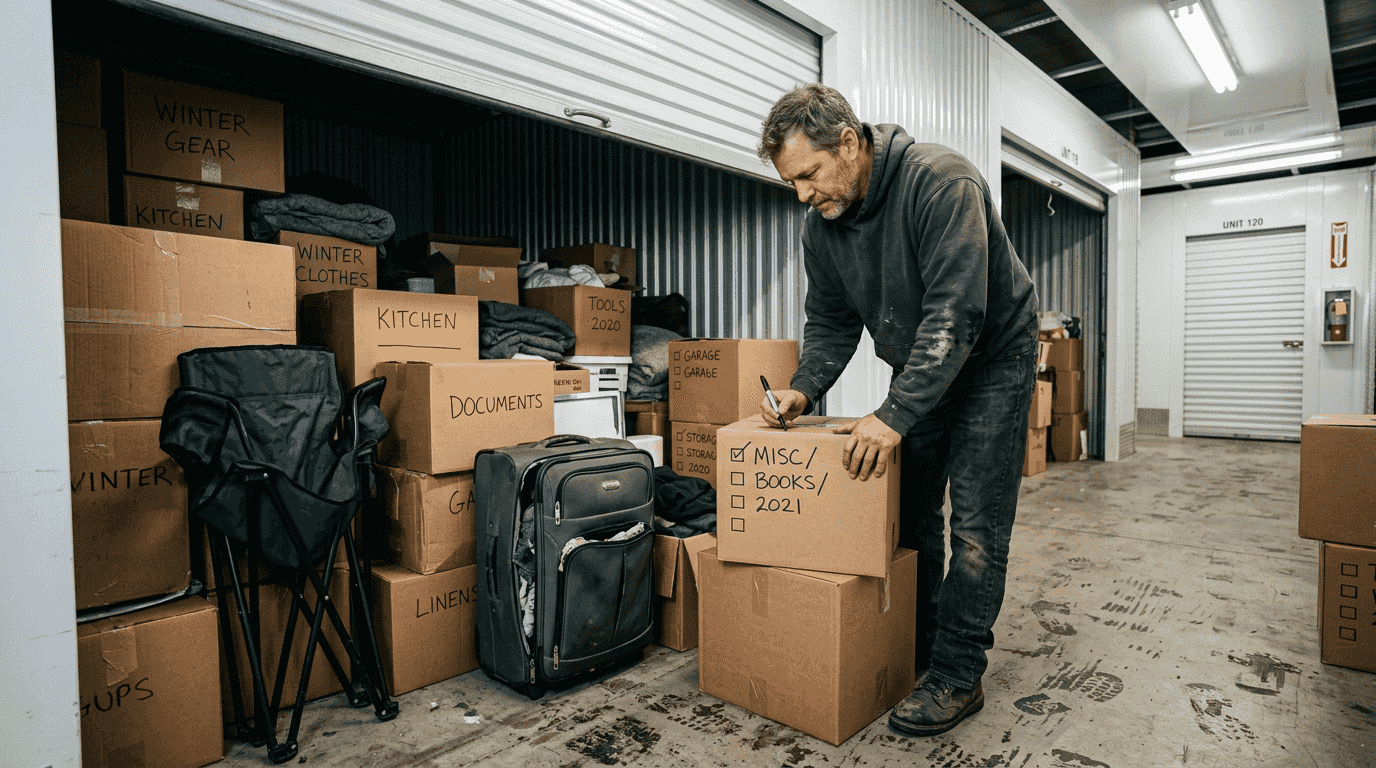
Temporary housing expenses vary dramatically based on location and duration. A family staying in a hotel for two weeks while waiting for their new home to close might spend $2,000 to $3,000. Extended-stay hotels or short-term rentals offer better monthly rates but still represent significant unplanned expenses. Some employers provide temporary housing allowances, but many families must budget for this possibility independently.
Utility setup costs include deposits, connection fees, and activation charges for electricity, gas, water, internet, and cable services. Utility deposits cost $50 to $200 per service, with higher amounts in areas where you lack established credit history. Internet and cable installations add $100 to $200 in equipment and technician fees. These seemingly small amounts accumulate to $400 to $800 total for complete utility establishment.
Professional cleaning services for both your old and new homes improve your move experience significantly. Deep cleaning your previous residence helps secure your security deposit or present the home better for sale. Cleaning your new home before moving in creates a fresh start. Cleaning costs $100 to $400 depending on home size and service level, representing a worthwhile investment for most families.
Pro Tip: Schedule utility connections two weeks before your move-in date to ensure services are active when you arrive, avoiding rushed appointments and potential delays.
Minimizing unexpected timing and utility costs:
- Negotiate flexible closing dates with 30-day buffers when possible
- Research utility providers and deposit requirements before moving
- Compare short-term rental rates versus extended-stay hotels for your specific timeframe
- Request utility transfer instead of new service if moving within the same provider’s territory
- Bundle internet and cable services for installation discounts
Common storage services scenarios include:
- Waiting for new home construction to complete
- Staging your current home for faster sale
- Downsizing and needing time to sort belongings
- Temporary job assignments before permanent relocation
Comparing relocation options and managing unexpected expenses
Choosing between full-service movers, DIY approaches, and employer reimbursement packages significantly impacts your total relocation expenses. Each option presents distinct advantages and trade-offs that align differently with various family situations and budgets. Relocation total costs vary widely from $20,000 to over $100,000 including real estate and moving expenses, with your chosen approach determining where you fall in this range.
Full-service professional movers handle packing, loading, transportation, and unloading, minimizing your physical effort and time commitment. This convenience costs premium rates but reduces damage risk and stress. DIY moves using rental trucks save money on labor but require significant personal effort, vehicle operation skills, and helper coordination. Employer reimbursement packages can range $2,000 to $20,000 but may be taxable income, affecting your net benefit.
Hidden expenses frequently surprise relocating families. Shuttle fees apply when large moving trucks cannot access your street, requiring smaller vehicles to ferry goods. Specialty crating for artwork, antiques, or fragile items adds $50 to $300 per piece. Pet transportation, school enrollment fees, and vehicle registration in your new state create additional line items many families overlook during initial budgeting.
| Option | Cost Range | Pros | Cons |
|---|---|---|---|
| Full-service movers | $5,000 to $10,000 | Professional handling, insurance, convenience | Highest upfront cost, less control |
| DIY truck rental | $1,500 to $3,000 | Lower cost, complete control | Physical effort, damage risk, time intensive |
| Employer reimbursement | $0 to $5,000 out of pocket | Reduced personal expense | Taxable income, limited choice, reimbursement delays |
| Hybrid approach | $3,000 to $6,000 | Balanced cost and convenience | Requires coordination, moderate effort |
Managing unexpected expenses requires proactive planning and financial buffers. Most financial advisors recommend adding 15 to 20% contingency to your estimated relocation budget. This cushion absorbs surprises like last-minute repairs, extended temporary housing, or underestimated household weight.
Budget experts consistently recommend setting aside an additional 20% beyond your estimated relocation costs to cover unexpected expenses like emergency repairs, extended storage, or underestimated moving weight. This buffer transforms potential financial stress into manageable adjustments.
Strategies to control costs and avoid surprises:
- Negotiate real estate agent commissions before listing your home
- Request binding moving quotes rather than estimates to lock in prices
- Schedule moves during off-peak seasons for better rates
- Declutter before moving to reduce weight and transportation costs
- Compare multiple lenders for the best closing cost packages
Understanding your complete preparing for a long distance move expense picture empowers better decisions throughout your relocation journey.
Explore professional moving solutions with AMB Moving Services
Navigating the complex landscape of relocation expenses becomes simpler with experienced professional support. AMB Moving Services specializes in long distance moving services that address the transportation challenges detailed throughout this guide. Our federally licensed team provides transparent pricing, detailed weight estimates, and comprehensive insurance options that eliminate surprise costs.
When timing gaps create storage options needs, our secure facilities protect your belongings between move-out and move-in dates. We offer flexible storage durations and climate-controlled environments for sensitive items. Our comprehensive long-distance move preparation resources help you plan every aspect of your relocation, from initial budgeting through final delivery. As a trusted partner for families relocating across state lines, we simplify the moving process while protecting your belongings throughout the journey.
Frequently asked questions
What counts as relocation expenses?
Relocation expenses include all costs associated with moving your household and establishing residence in a new location. Transportation of household goods, real estate closing costs for buying and selling, temporary housing, storage, utility deposits, and cleaning services all qualify. Some employer reimbursement programs also cover travel costs, meals during the move, and even home sale assistance.
Are relocation expenses tax deductible in 2026?
For most people, relocation expenses are no longer tax deductible following the Tax Cuts and Jobs Act changes. Active-duty military members moving due to permanent change of station orders remain eligible for deductions. Employer-paid relocation assistance is generally considered taxable income unless it falls under specific IRS exclusions. Consult a tax professional about your specific situation.
How much should I budget for unexpected relocation costs?
Financial planners recommend adding 15 to 20% above your estimated relocation expenses as a contingency buffer. For a move with estimated costs of $30,000, budget an additional $4,500 to $6,000 for surprises. Common unexpected expenses include higher-than-estimated household weight, emergency repairs discovered during home inspections, extended temporary housing, and specialty moving services for difficult items.
Do moving companies charge extra for stairs or long carries?
Yes, most moving companies assess additional fees for stairs, long carries, and difficult access situations. Expect $50 to $150 extra for flights of stairs and similar charges when the truck cannot park within 75 feet of your entrance. Shuttle fees apply when your street cannot accommodate large moving trucks, typically adding $300 to $800. Request detailed quotes that specify these potential charges upfront.
When should I start budgeting for relocation expenses?
Begin budgeting for relocation expenses at least three to six months before your planned move date. This timeline allows you to research moving quotes, understand closing costs in your destination state, and build savings for deposits and fees. Early planning also gives you flexibility to schedule moves during off-peak seasons when rates are lower and to negotiate better terms with service providers.