


TL;DR:
- Planning a cross-country move early helps secure better rates and more carrier options before peak season. Verifying mover credentials through FMCSA and NCCDB protects families from scams and unreliable companies. Proper organization, documentation, and timely administrative updates ensure a smoother, less stressful relocation process.
A cross-country relocation is one of the most logistically complex events a family can face, and the top cross-country moving mistakes share one common thread: they are almost entirely preventable. Failing to book early, skipping credential checks, underestimating costs, packing without a system, and ignoring administrative tasks are the five errors that derail the most moves. The Federal Motor Carrier Safety Administration (FMCSA) regulates all interstate movers, and its consumer protection rules exist precisely because these mistakes are so common. Knowing what to avoid before you start is the fastest way to protect your budget, your belongings, and your sanity.
1. Why early planning is the foundation of a smooth cross-country move
Booking a mover at least 6 to 12 weeks ahead is the single most effective step you can take when learning how to plan a move. Most families treat this as optional and then discover that reputable carriers are fully booked during peak periods. That discovery usually comes with a price spike.
Peak season rates rise 15–25% due to tighter carrier availability, particularly from may through september and at the end of each month when leases turn over. Booking early locks in a better rate and gives you time to collect multiple quotes for comparison. It also creates space to declutter, which directly reduces the weight of your shipment and your final bill.
Pro Tip: Request quotes from at least three licensed carriers and ask each one to conduct an in-home or video survey. Phone-only quotes without a physical inspection are a red flag and a common source of disputes.
Early planning also gives you time to research your destination’s cost of living, scout neighborhoods, and arrange temporary housing if your new home is not ready on move-in day. Families who book cross-country moves with less than two weeks’ notice consistently report higher costs and fewer carrier options.
2. How to verify mover credentials and avoid scams
The most critical step in avoiding moving scams is checking a mover’s registration in the FMCSA SAFER database and reviewing their complaint history in the National Consumer Complaint Database (NCCDB). A clean registration does not guarantee a clean record. Even verified movers can carry worrying complaint patterns, so cross-checking both sources is non-negotiable.
Understanding the difference between carriers and brokers protects you from bait-and-switch pricing. Carriers own trucks and crews; brokers do not. Brokers assign your move to a third-party carrier, which creates accountability gaps and opens the door to price changes after your belongings are loaded. Always confirm the “Entity Type” field in the FMCSA SAFER database before signing anything.
Federal regulations require interstate movers to offer either a binding or non-binding estimate in writing. A binding estimate locks in the price; a non-binding estimate allows the carrier to charge up to 110% of the quoted amount at delivery. That 10% buffer can represent hundreds of dollars on a long-distance move, so always request a binding estimate in writing.
Watch for these red flags before you commit:
- Large upfront cash deposits before the move date
- Quotes provided only by phone with no in-person or video survey
- No verifiable physical business address
- Prices dramatically lower than every other quote you received
- Pressure to sign quickly without time to review the contract
“Predatory movers use tactics like hostage loads, where they hold your belongings until you pay inflated charges above the original quote. Verifying credentials through FMCSA and NCCDB before booking is the only reliable defense against this practice.” — FMCSA, May 2026
For a step-by-step walkthrough of the verification process, Ambmovingservices publishes a detailed guide on verifying a licensed mover that covers every field in the SAFER database.
3. What are the hidden costs of a cross-country move?
Underestimating total moving costs is one of the most frequently overlooked moving aspects families encounter. The moving company’s base fee is only part of the picture. The real budget includes packing supplies, temporary housing, utility deposits at the new address, cleaning fees at the old one, and meals during transit.
A 15%–20% contingency buffer on top of your estimated total is the standard recommendation for long-distance relocations. That buffer exists because unexpected costs appear at nearly every stage, from last-minute storage needs to appliance hookup fees.
The hidden costs that most families miss include:
- Packing materials: Boxes, tape, bubble wrap, and specialty containers for artwork or electronics add up fast.
- Temporary housing: If your closing date and move-in date do not align, you may need a hotel or short-term rental for several days.
- Utility deposits: Many states and landlords require deposits for electricity, gas, and water at a new address.
- Storage fees: Cross-country delivery transit typically takes 5–14 days, and you may need storage if your new home is not ready.
- Cleaning and repairs: Most leases require professional cleaning, and minor repairs at the old property can cost several hundred dollars.
Pro Tip: Declutter aggressively before your move. Weight-based pricing is the industry standard for long-distance moves, and cubic-foot quotes have been flagged for surprise charges. Every item you donate or sell reduces your shipment weight and your final bill.
| Hidden Cost Category | Why It Catches Families Off Guard |
|---|---|
| Utility deposits | New-state providers often require deposits for first-time customers |
| Temporary housing | Closing and move-in dates rarely align perfectly |
| Packing supplies | Specialty boxes for TVs and artwork cost far more than standard boxes |
| Storage fees | Transit delays push belongings into paid storage unexpectedly |
| Cleaning and repairs | Lease terms require professional cleaning at the old address |
4. How to pack effectively to prevent damage and chaos
Disorganized packing is a leading cause of damage claims and unpacking delays on long-distance moves. The fix is a room-by-room system with clear labels on every box, including both the contents and the destination room. That one habit alone cuts unpacking time significantly.

Packing by room with labeled boxes and cushioning fragile items with clothing, towels, or bubble wrap reduces breakage during the long transit. Fragile items should be wrapped individually and placed in boxes with at least two inches of padding on all sides. Never leave empty space in a box. Empty space allows items to shift and collide during transport.
Before loading begins, photograph every item of value and keep a written inventory. Detailed written inventories and photos taken before loading simplify insurance claims and protect you from loss or damage disputes. Without documentation, proving the condition of an item before the move is nearly impossible.
Pro Tip: Pack an essentials box that travels with you in your personal vehicle, not on the moving truck. Include medications, chargers, a change of clothes, important documents, and basic toiletries. You will need these items immediately upon arrival, regardless of when the truck delivers.
Insurance coverage is another packing-related decision most families make too late. Released value protection pays roughly 60 cents per pound per item. Full-value protection covers repair, replacement, or cash settlement at current market value. For any move involving electronics, artwork, or heirlooms, released value coverage is insufficient.
5. What administrative tasks do families forget during a cross-country move?
Neglecting administrative and financial tasks after a move frequently causes delays and stress that persist for months. These tasks feel less urgent than packing, but missing state deadlines can result in fines, lapsed coverage, and service interruptions.
The administrative checklist most families overlook includes:
- Driver’s license update: Most states require you to update your license within 30 to 60 days of establishing residency. The deadline varies by state, and the fine for missing it is real.
- Vehicle registration: Register your vehicle in the new state within the required window. Some states require a vehicle inspection before they will issue new plates.
- Voter registration: Re-register in your new state before the next election cycle’s registration deadline.
- Mail forwarding: Submit a change of address with the U.S. Postal Service at least two weeks before your move date. Notify your bank, employer, and subscription services separately, as mail forwarding does not catch everything.
- Insurance updates: Health, auto, and homeowners insurance policies often need to be updated or replaced when you cross state lines. Coverage requirements differ by state.
- Medical records: Request copies of medical and dental records before you leave. Transferring records after the fact takes time and can delay care in your new location.
Utility planning deserves its own attention. Schedule disconnection at your old address and connection at your new address at least two weeks in advance. Overlap the service dates by one day to avoid gaps. Families who skip this step often arrive at a new home with no electricity or internet for several days.
Key takeaways
Avoiding the top cross-country moving mistakes requires early booking, verified credentials, a realistic budget with a contingency buffer, organized packing with documentation, and timely completion of all administrative updates.
| Point | Details |
|---|---|
| Book 6–12 weeks early | Early booking secures better rates and more carrier options before peak season. |
| Verify via FMCSA SAFER | Check both registration and NCCDB complaint history before signing any contract. |
| Budget a 15%–20% buffer | Hidden costs like deposits, storage, and cleaning routinely exceed initial estimates. |
| Document everything before loading | Photos and written inventories are your only protection in a damage or loss claim. |
| Complete all administrative updates | Driver’s license, vehicle registration, and mail forwarding have legal deadlines with real penalties. |
What I have learned from watching families move cross-country
After working with hundreds of families on long-distance relocations, the pattern is consistent: the moves that go wrong almost always go wrong in the same places. The family that booked a mover two weeks before their move date. The couple that chose the lowest quote without checking FMCSA records. The household that packed everything in unlabeled boxes and spent three weeks searching for their coffee maker.
The mistake I see most often is treating the administrative checklist as optional. Families focus entirely on the physical move and then spend the first two months in their new state scrambling to update licenses, re-register vehicles, and sort out insurance gaps. Those tasks feel small until they are overdue.
The other thing most articles will not tell you is that decluttering is not just a money-saving tip. It is a mental health strategy. Families who arrive in a new state with fewer boxes unpack faster, settle in sooner, and report less stress in the weeks after the move. The weight of unnecessary belongings is literal and figurative.
Cross-country moving is genuinely hard. But the families who plan 10 weeks out, verify their mover through FMCSA, get a binding estimate in writing, and pack with a room-by-room system consistently report smoother experiences. The process is not complicated. It just requires doing the right things in the right order.
— AMB
Planning a cross-country move with Ambmovingservices
Ambmovingservices specializes in interstate and long-distance moving for families and individuals relocating across the United States. Every move includes transparent, binding estimates, full FMCSA licensing and insurance compliance, and experienced crews trained for the specific demands of cross-country logistics.
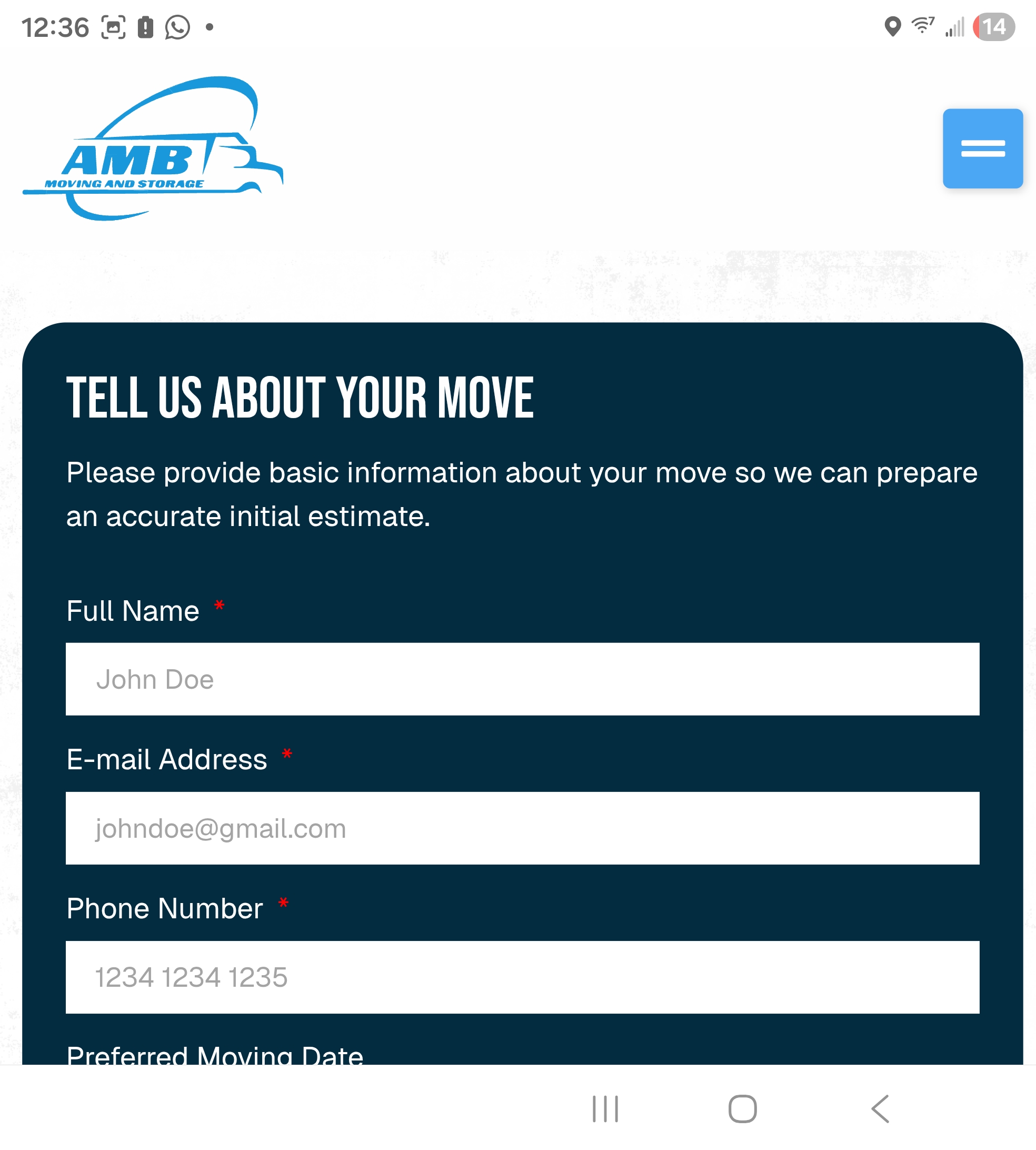
Whether you are moving from California to New York or from Texas to Florida, Ambmovingservices handles the planning, packing support, and coordination that prevent the common errors covered in this article. Get a no-obligation quote and see exactly what your move will cost before you commit.
Get your moving quote today and move with a team that has done this thousands of times.
FAQ
How far in advance should I book a cross-country mover?
Book at least 6 to 12 weeks before your move date. Peak season from may through september and end-of-month periods fill carrier schedules quickly, and last-minute bookings cost significantly more.
What is the difference between a binding and non-binding moving estimate?
A binding estimate locks in your final price regardless of actual weight. A non-binding estimate allows the carrier to charge up to 110% of the quoted amount at delivery, which can add hundreds of dollars to your bill.
How do I check if a moving company is legitimate?
Search the company’s name or USDOT number in the FMCSA SAFER database and review their complaint history in the National Consumer Complaint Database (NCCDB). Confirm they are listed as a carrier, not just a broker.
What insurance coverage do I need for a cross-country move?
Full-value protection is the recommended option for moves involving electronics, artwork, or valuables. Released value coverage, the default option, pays only about 60 cents per pound per item, which rarely covers actual replacement costs.
What administrative tasks should I complete after a cross-country move?
Update your driver’s license and vehicle registration within your new state’s required window, typically 30 to 60 days. Also update voter registration, mail forwarding, health and auto insurance, and medical records as soon as possible after arrival.