


TL;DR:
- Planning early and decluttering efficiently can significantly reduce the cost and stress of a long-distance move.
- Following a structured packing and unloading process ensures safety, organization, and a smoother transition into your new home.
The stages of the moving process are defined as a sequence of planned steps that take you from initial budgeting through final unpacking in your new home. For interstate and long-distance moves, this sequence is not optional structure. It is the difference between a controlled relocation and a costly, exhausting scramble. Families moving across state lines face federal regulations, longer transit windows, and higher stakes than local movers. Following a clear moving timeline guide, using a detailed moving process checklist, and working with a licensed nationwide moving company like AMB Moving & Storage Inc. are the three factors that most reliably produce a smooth move.
1. the stages of the moving process start with early planning
The first stage sets the foundation for everything that follows. Interstate moves require a lead time of 8–12 weeks because of logistics complexity and federal carrier regulations. Compressing that window creates a cascade of problems: higher prices, unavailable dates, and rushed decisions.
Start by setting a realistic moving budget. Include the base moving quote, packing materials, travel costs, temporary storage if needed, and deposits. Then request quotes from at least three licensed interstate movers. A professional mover will ask detailed questions about special items, stairs, and parking to build an accurate estimate. A mover who skips those questions is signaling that surprise fees will appear on moving day.
Pro Tip: Book your moving company 6–8 weeks before your move date. Waiting until the final month for an interstate move almost always means paying a premium or accepting a less desirable schedule.
Most moving professionals recommend booking movers 6–8 weeks out and beginning to pack non-essential rooms 4 weeks before the move. That timeline gives you room to handle complications without panic.
Also during this stage: notify your landlord or property manager, schedule utility transfers, and file a change of address with the U.S. Postal Service. Scheduling utility transfers at least 2–4 weeks before moving day prevents service interruptions at both your old and new address.
2. decluttering before you pack
Decluttering is the most undervalued step in preparing for a move. Every item you eliminate reduces your moving volume, lowers your cost estimate, and cuts packing time. For a long-distance move, weight and volume directly affect your final bill.

Work through your home room by room. Sort items into four categories: keep, donate, sell, and discard. Start with storage areas, closets, and garages before touching daily-use spaces. Selling items through Facebook Marketplace or donating to Goodwill before packing day keeps your inventory lean.
The practical benefits compound quickly. Fewer boxes mean faster loading, less risk of damage, and a cleaner start in your new home. Families who declutter before a cross-country move consistently report lower final invoices and less unpacking stress.
3. packing strategies that protect and organize
Packing is the most time-intensive stage in the process of moving house. A structured approach prevents damage, speeds up unloading, and keeps your sanity intact.
Follow this sequence:
- Start with non-essentials. Pack seasonal items, books, and décor 3–4 weeks out. Packing non-essential rooms first reduces disruption and prevents emergency packing the morning of the move.
- Use color-coded labels. Assign a tape color to each destination room. Color-coded labels significantly improve unloading efficiency because movers can place boxes without reading every label.
- Pack fragile items with care. Use double-wall boxes for dishes, bubble wrap for glassware, and wardrobe boxes for hanging clothes. Keep valuables and fragile items separate and transport them personally when possible.
- Build an essentials tote. Pack a bag or tote with medications, phone chargers, a change of clothes, toiletries, and important documents. An essentials tote prevents scrambling for daily necessities during the first 24 hours in your new home.
- Number every box. Maintain a master list that matches box numbers to contents. This makes it easy to confirm everything arrived and file a claim if anything is missing.
Pro Tip: If you have specialty items like artwork, antiques, or a piano, consider professional packing services. Delegating packing to professionals reduces damage risk and saves significant time on complex long-distance moves.
4. moving day: loading and transportation
Moving day is the most visible stage, but the work that makes it go smoothly happens in the weeks before. When the truck arrives, your job is coordination, not improvisation.
Here is what to expect and manage:
- Do a final walkthrough before loading begins. Check every room, closet, cabinet, and outdoor space.
- Confirm the inventory list with your moving crew. Keeping an updated inventory throughout loading helps track belongings and simplifies any damage claims later.
- Communicate clearly with your movers. Tell them which items are fragile, which rooms they go to, and any access issues at the destination. Clear communication with movers reduces confusion and keeps loading on schedule.
- Load in the right order. Heavy furniture and appliances go in first, against the truck walls. Boxes stack on top. Fragile items load last and ride closest to the cab.
- Arrange care for children and pets. Moving day is not the time to manage both a loading crew and a toddler. Arrange childcare or pet care for the day.
For long-distance moves, confirm your delivery window with the carrier before the truck departs. AMB Moving & Storage Inc. provides clients with clear transit timelines so you can plan your arrival at the new home without guessing.
5. unloading, unpacking, and settling in
Arrival at your new home is the final major stage in the relocation sequence. The goal is not to unpack everything in one day. The goal is to restore livability quickly and organize fully over the following weeks.
Follow this priority order:
- Direct movers by room using your color-coded labels. Boxes go directly to their destination rooms, not into a central pile.
- Do a damage inspection before the crew leaves. Walk through every room and check furniture and boxes against your inventory. Note any damage on the bill of lading before signing.
- Unpack the kitchen first. Cooking a simple meal at home is faster and cheaper than ordering delivery every night. Get the kitchen functional within the first 24 hours.
- Set up bathrooms and bedrooms next. A working bathroom and a made bed restore a sense of normalcy faster than any other task.
- Connect utilities and services. Confirm that electricity, gas, water, and internet are active. If any service is missing, call the provider immediately.
- Handle post-move paperwork. Update your driver’s license, vehicle registration, voter registration, and bank address within 30 days of your move. Many states require a license update within 30–60 days of establishing residency.
A staged unpacking approach restores livability within 48 hours. Full organization can take several weeks, and that is completely normal for a long-distance relocation.
Key takeaways
A successful interstate move depends on starting early, packing with a system, and communicating clearly with your moving crew at every stage.
| Point | Details |
|---|---|
| Start planning 8–12 weeks out | Interstate moves require more lead time due to federal regulations and logistics complexity. |
| Declutter before packing | Reducing volume lowers your moving cost and speeds up both packing and unpacking. |
| Use color-coded labels | Assign a tape color per room to direct movers and cut unloading time significantly. |
| Pack an essentials tote | Keep daily necessities accessible so your first night in the new home is manageable. |
| Unpack in priority order | Kitchen, bathrooms, and bedrooms first to restore livability within 48 hours of arrival. |
What most moving guides get wrong
Most moving articles treat every relocation the same. They do not. An interstate move from Texas to New York involves federal carrier licensing, binding estimates, and transit windows that a local move simply does not require. That distinction matters when you are choosing a mover and setting your timeline.
The single most common mistake I see families make is compressing the planning stage. They decide to move in week one and expect to be ready in week three. Attempting to plan in under two weeks is characterized by professional movers as panic mode. The consequences are real: inflated last-minute rates, poor mover selection, and boxes that arrive damaged because packing was rushed.
Decluttering also gets skipped more than any other step. Families tell themselves they will sort through things at the new house. They rarely do. Items that should have been donated before the move sit in boxes for years. The cost of moving those items, both financially and in terms of clutter, is entirely avoidable.
The value of working with a licensed, experienced carrier like AMB Moving & Storage Inc. is not just the physical labor. It is the structure. A professional long-distance moving company gives you a confirmed timeline, a binding or not-to-exceed estimate, and a crew that has handled the exact challenges your move presents. That structure is what turns a stressful event into a manageable project.
Start earlier than you think you need to. Declutter more aggressively than feels comfortable. And choose your mover based on questions they ask you, not just the price they quote.
— AMB
Plan your move with Ambmovingservices
Ambmovingservices specializes in interstate and long-distance moves for families and individuals relocating across state lines. From packing and loading to secure storage and final delivery, every service is designed to cover each stage of your relocation without gaps.
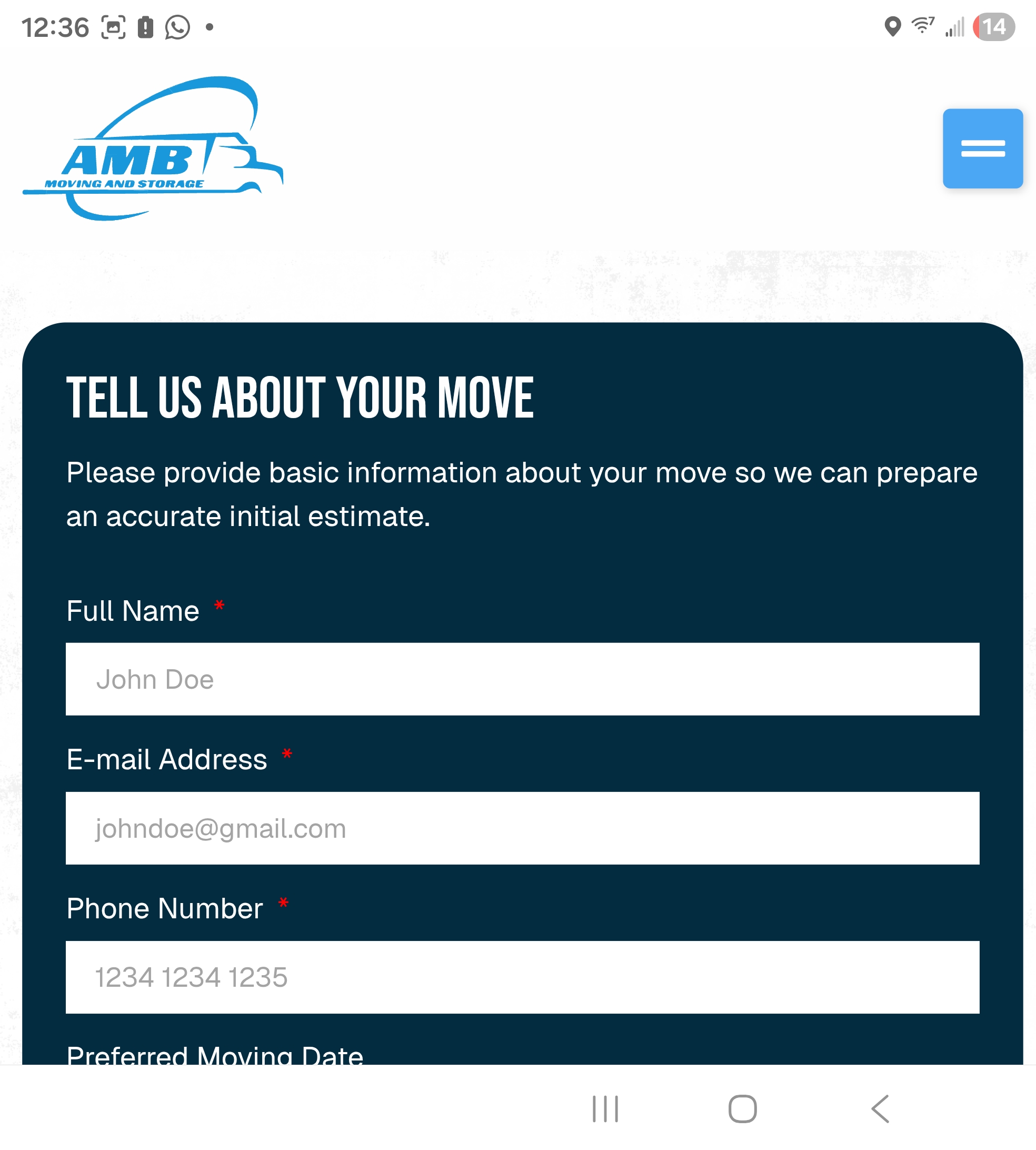
Whether you are moving from California to Florida or from Illinois to the Pacific Northwest, Ambmovingservices provides licensed, insured, and federally compliant moving solutions. The team handles the logistics so you can focus on your family and your new home. Get a free, no-obligation quote today and find out exactly what your move will cost before you commit to anything.
Request your free moving quote and get a clear, itemized estimate from a nationwide moving company that has handled thousands of interstate relocations.
FAQ
How far in advance should i book an interstate mover?
Book your interstate mover 6–8 weeks before your move date at minimum. For complex or long-distance moves, starting 8–12 weeks out gives you the best selection of dates and the most competitive pricing.
What is the correct order for unpacking after a long-distance move?
Unpack the kitchen, bathrooms, and bedrooms first to restore daily function within 48 hours. Full organization of remaining rooms can follow over the next several weeks without disrupting your routine.
How do i avoid surprise fees from a moving company?
Choose a mover that asks detailed questions about stairs, parking, and specialty items during the estimate process. Movers that skip those questions often add unexpected charges on moving day.
What should go in a moving day essentials tote?
Pack medications, phone chargers, a change of clothes, toiletries, snacks, and important documents. This tote stays with you during the move so you are not searching through boxes on your first night.
When should i schedule utility transfers for a move?
Schedule utility transfers and a change of address at least 2–4 weeks before moving day. This prevents service gaps at both your current and new address during the transition.