


For most cross-country moves, hiring a licensed, insured mover beats a DIY truck rental unless you have a tight budget, few belongings, and strong helpers. Whatever method you choose, do three things today: lock a firm move date, request written binding or non-binding estimates from at least three companies, and gather your critical documents (IDs, medical records, school files, and titles) into one folder. Everything else in your cross country moving tips checklist builds from those three decisions.
TL;DR:
- A licensed mover can prevent surprise charges and underpayment claims; always verify a company’s USDOT number and get written estimates before signing anything.
- Moving during off-peak times or comparing portable containers to full-service options can reduce costs, but handling and distance both significantly impact final prices.
- Decluttering before the move and packing items under 30 pounds with clear labels help save money and avoid damage during transit.
- Preparation involves signing documents after reading valuation coverage options, photographing belongings, and understanding delivery windows to prevent dispute risks.
- Short-term storage is advisable for timing gaps or downsizing, but choosing climate-controlled facilities with proper documentation adds security for valuable or sensitive items.
Table of Contents
- Choosing the Right Cross Country Moving Method
- Your Cross Country Moving Checklist, Week by Week
- What Actually Drives Long-Distance Moving Costs
- Packing Smart: What to Ship, What to Skip
- Understanding the Paperwork That Protects Your Move
- Moving Cross Country With Kids and Pets
- Pickup and Delivery Day: Protect Yourself Step by Step
- How a Licensed Nationwide Mover Handles a Long-Distance Move
- Storage Solutions During a Long-Distance Move
- Safety Tips for Loading, Unloading, and Securing Your Belongings
- Our Take: The Checklist Beats the Confidence
- Ready to Book Your Cross-Country Move?
- Sources
- FAQ
Choosing the Right Cross Country Moving Method
Your budget, timeline, and how much stuff you own decide which method makes sense. Full-service interstate movers handle everything: packing, loading, transport, and unloading. Expect to pay the most for this option, but you also carry the least risk and do the least physical labor. Portable containers (you pack, they drive) sit in the middle on cost and effort. DIY truck rental is the cheapest option on paper, but gas, tolls, lodging, and the physical toll of loading a 26-foot truck yourself often close that gap fast.
- Full-service movers: best for families with a full household, tight timelines, or physical limitations that make heavy lifting risky.
- Portable containers: best for flexible-timeline movers who want to pack at their own pace and skip the driving.
- DIY truck rental: best for minimalist movers, students, or anyone moving on a shoestring budget with help available on both ends.
Whichever route you pick, verify the company before you sign anything. Check the carrier’s USDOT number through FMCSA’s public database, insist on an in-home or video walkthrough before quoting, and treat any refusal to provide a written estimate or a demand for cash-only payment as a hard red flag. A legitimate interstate mover will never pressure you to skip these checks.
Your Cross Country Moving Checklist, Week by Week
A dated plan turns “moving cross country checklist” anxiety into a series of manageable tasks. Start the clock the moment you know your move is happening.
- 8 to 12 weeks out (12 to 16 weeks in peak summer season): lock your move date and start requesting estimates. Book your mover now. Off-peak dates fill up fast, but peak season (May through September) fills faster and costs more.
- 6 to 8 weeks out: collect three in-home or video-survey estimates, compare binding versus non-binding terms, and book the carrier you trust most, not just the cheapest quote.
- 4 to 6 weeks out: file your change of address with USPS, notify banks and subscriptions, and start researching your destination state’s DMV rules. Many states require vehicle registration transfer within 30 days of establishing residency, but a few states set much tighter windows, so check your new state’s exact deadline.
- 3 to 4 weeks out: request school records if you have kids, schedule utility disconnect and connect dates, and begin packing rooms you use least.
- 2 weeks out: confirm delivery windows with your mover, finish packing everything except daily essentials, and refill prescriptions.
- Moving week: pack your essentials bag last, do a final walkthrough, and photograph every room before the truck pulls away.
This same sequence anchors our interstate moving step-by-step guide for families, which breaks each phase down further if you’re moving with kids in tow.
What Actually Drives Long-Distance Moving Costs
Two factors decide your final bill more than anything else: how much stuff you have (handling cost) and how far it travels (transport cost). A studio apartment moving 2,000 miles can cost less than a four-bedroom house moving 500 miles, because handling scales with volume and weight, not mileage alone. A 2-bedroom move covering roughly 1,500 miles typically runs $3,425 to $6,900, with your move date and home size doing most of the work to push that number up or down.
Estimate type matters just as much as the number itself. A binding estimate locks your price regardless of actual weight, protecting you from surprise charges. A non-binding estimate lets the carrier charge up to 110% of the quoted price at delivery, then bill you the remainder later under federal estimate rules. Always ask which type you’re signing, and read our guide to moving estimate types before you commit.
Real ways to cut cost without cutting corners:
- Declutter before the estimate walkthrough. Every pound you don’t move is a pound you don’t pay for.
- Move mid-week or mid-month instead of a weekend near the 1st, which can save 15% or more compared to peak-demand dates.
- Compare a portable container against full-service pricing for medium-sized households; the savings gap narrows once you factor in your own labor and time off work.
- Get at least three estimates and confirm each one covers the same services before comparing numbers side by side.
Packing Smart: What to Ship, What to Skip
Not everything you own is worth shipping across the country. Before you tape a single box, ask whether an item costs more to move than to replace. That $150 IKEA couch might cost $200 in handling and transport fees alone; selling it and buying a new one on arrival is often the cheaper move.
For what you do pack, keep boxes under about 30 pounds each. Heavier boxes crack under their own weight in a truck packed for days, and movers charge more to lift what they can’t carry safely. Label every box with the destination room, a general contents list, and “fragile” where it applies. A color-coded tape system (blue for kitchen, red for bedroom) speeds up unloading more than you’d expect.
- Pack an essentials bag with medications, chargers, a change of clothes, and basic toiletries for the first 48 hours.
- Keep a documents folder (IDs, lease or closing paperwork, medical records) in your car, not the truck.
- Photograph valuables and electronics before loading, in case a damage claim comes up later.
- Movers generally won’t transport hazardous items like propane tanks, paint, ammunition, or perishable food, so plan to dispose of or personally transport these.
Pro Tip: Photograph every room empty before the movers arrive, including inside cabinets and behind appliances. That single habit resolves more damage and deposit disputes than any receipt you’ll keep.
Understanding the Paperwork That Protects Your Move
Every interstate mover is legally required to give you the FMCSA booklet “Your Rights and Responsibilities When You Move” along with the “Ready to Move” brochure, alongside your written estimate. If a company skips this step, that’s a warning sign worth taking seriously.
The bill of lading is your move’s contract and receipt in one. It should list the pickup and delivery dates, the services included, and the valuation coverage you selected. Never sign it until you’ve read every line, and never let anyone rush you through it at the truck’s tailgate.
Valuation coverage is where most people get caught off guard:
- Released value costs nothing extra but pays only $0.60 per pound per item, regardless of what it’s actually worth. A 20-pound television damaged in transit nets you just $12.
- Full Value Protection costs more upfront but reimburses current replacement value or repair cost, which is why it’s worth the premium for most households with anything of real value on the truck.
- Third-party moving insurance is also worth comparing, especially for high-value electronics or antiques; a dedicated shipping insurance guide walks through how that coverage stacks against carrier valuation.
Delivery windows for cross-country moves typically run 7 to 14 days for distances over 1,000 miles, so build that spread into your plans before booking flights or work start dates.
Moving Cross Country With Kids and Pets
Routines matter more than logistics when kids are involved. Keep meal times and bedtime as close to normal as the road allows, pack a few familiar comfort items in the car rather than the truck, and keep snacks and entertainment within arm’s reach. Advice from child development specialists consistently points to predictability as the biggest stabilizer during a disruptive move, more than any toy or activity you pack.
Pets need their own prep. Get a vet checkup and copies of vaccination records before you leave, and if you’re flying any leg of the trip, check TSA rules on what you can carry for pet food, medications, and carriers. Crate-train nervous pets for a few short trips before the real drive. Book pet-friendly lodging in advance rather than hoping you’ll find something at 9 p.m. in an unfamiliar town, and plan stops timed around feeding and bathroom breaks, not just mileage goals.
- Keep medications, food, and comfort items for both kids and pets in the car with you, never in the moving truck.
- Carry irreplaceable documents and family keepsakes personally rather than shipping them.
Pickup and Delivery Day: Protect Yourself Step by Step
- Be present for the full loading inventory and photograph the condition of major items before they go on the truck.
- Verify the driver’s ID and the truck’s USDOT number match the paperwork you signed.
- If anyone demands extra cash or refuses to give you written terms, document it and don’t sign anything until it’s resolved.
- At delivery, inspect every item against your inventory list, note any damage directly on the delivery receipt, and only sign once you’ve checked everything.
- If you find damage or loss, start the claims process immediately; carriers generally require claims filed within nine months, with arbitration available if a dispute drags on.
How a Licensed Nationwide Mover Handles a Long-Distance Move
A properly licensed interstate mover brings structure to a process that feels chaotic from the outside. That means packing crews, secure short- and long-term storage, specialty handling for delicate or high-value items, and coordinated logistics across states. Ambmovingservices operates as a nationwide moving company, built around USDOT registration, verified insurance, and in-person or video surveys that catch problems before the truck ever gets loaded. Before requesting a quote, have your approximate home size, target dates, and any specialty items ready. That prep is what separates a smooth quote call from a frustrating one.
Storage Solutions During a Long-Distance Move
Not every move goes house to house on the same day. If your closing dates don’t line up, or your new home isn’t ready when the truck arrives, short-term storage bridges the gap without forcing you into a rushed decision.
Most nationwide movers offer both short-term storage (days to a few weeks, often warehouse-based) and long-term storage (months, typically in secure, climate-controlled facilities) as an add-on to your move. This matters most for three situations: a gap between your move-out and move-in dates, a downsizing move where some items need to go into storage permanently, or a corporate relocation where a new job starts before housing is settled.
Ask any storage provider these questions before committing: Is the facility climate-controlled, especially for wood furniture, electronics, or artwork? Is it accessible if you need something before your official move-in date? How is inventory tracked while your items sit in storage? A reputable mover documents everything going into storage the same way it documents everything going onto the truck, with photos and itemized lists.
Pricing usually scales by cubic footage rather than a flat monthly fee, so decluttering before storage saves money the same way it saves money on transport. If you’re weighing storage against just pushing your delivery date back, run the numbers both ways. Sometimes a week of storage costs less than a week of hotel stays waiting for closing to finalize.

Safety Tips for Loading, Unloading, and Securing Your Belongings
Moving day injuries happen fast, usually from rushing or lifting wrong, not from anything exotic. Bend at the knees, not the waist, when lifting boxes, and never twist your torso while carrying weight. Heavy items like dressers and appliances need at least two people, and a furniture dolly turns a two-person struggle into a one-person task.
Load the truck strategically: heaviest items go in first and against the front wall, distributing weight evenly so the truck doesn’t shift dangerously on highway turns. Use moving straps or ratchet tie-downs to secure large furniture against the truck walls, and fill gaps between items with moving blankets or soft goods so nothing has room to slide.
Clear walkways before you start carrying anything. A single stray cord or forgotten toy on the porch steps causes more moving-day injuries than heavy furniture does. Keep kids and pets away from the loading zone entirely. A driveway full of movers carrying a couch is not the place for a curious toddler or an excited dog.
For unloading, reverse the same logic: clear a path first, communicate loudly when carrying anything through doorways, and never let one person attempt a two-person lift alone just to save time. A rushed unload is where most last-minute damage and injuries happen, right when everyone’s most tired and ready to be done.

Our Take: The Checklist Beats the Confidence
Most moving advice leans on reassurance: “it’ll be fine, movers do this every day.” That’s true, but it’s also not useful. What actually prevents a bad cross-country move isn’t confidence, it’s a dated checklist paired with documents you understand before you sign them. The households that get burned aren’t the ones who hired the wrong company; they’re the ones who never read their bill of lading or didn’t know released value pays $12 for a broken TV.
The conventional wisdom oversells the “just book early” advice and undersells the paperwork literacy that actually protects your money. Booking eight weeks out matters, but knowing the difference between binding and non-binding estimates matters more, because that’s what determines whether your final bill matches what you budgeted. If you take one thing from this guide, take this: read the FMCSA booklet before your movers hand it to you, not after.
— AMB
Ready to Book Your Cross-Country Move?
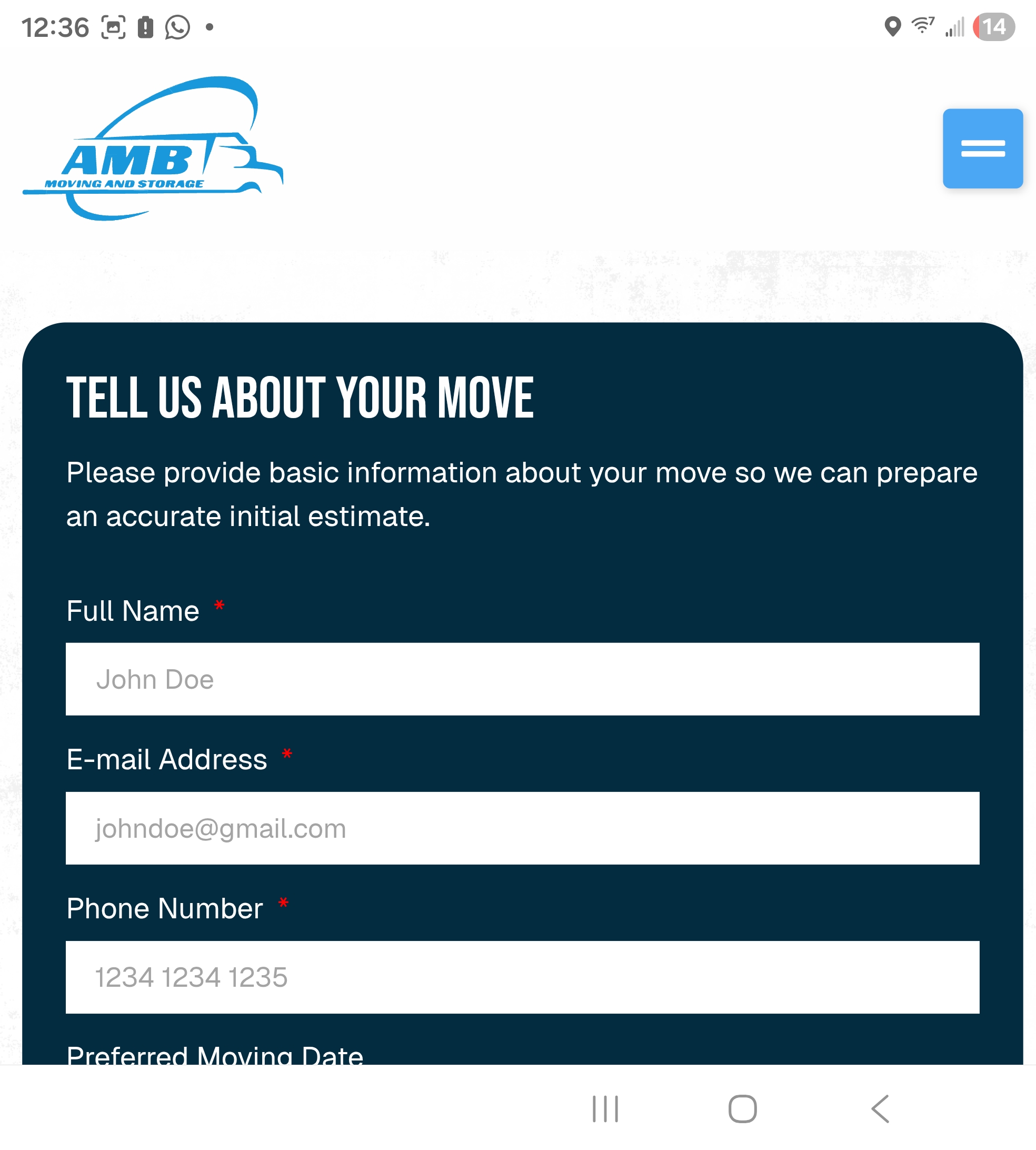
If you’ve made it through the checklist above, you already know what a quote request needs: your approximate home size, preferred move dates, origin and destination cities, and any specialty items like pianos, gun safes, or artwork that need special handling. Having those details ready before you call turns a 20-minute quote conversation into a 5-minute one.
Working with a licensed interstate mover from the start avoids the two most common cross-country problems: surprise charges from a non-binding estimate gone wrong, and valuation coverage that leaves you underpaid after a damage claim. A reliable nationwide moving company will handle these issues before they start, with written estimates, USDOT-verified compliance, and Full Value Protection options built into the quote process.
Get your free moving quote today and find out exactly what your move will cost before you commit to a date.
Sources
- Consumer Rights and Responsibilities | FMCSA
- 49 CFR Appendix A to Part 375 – Your Rights and Responsibilities When You Move | LII
- Cross Country Moving Checklist 2026: Free Tool + PDF
- How Much Does a Long-Distance Move Cost? (2026 Data) | Nation Moving
- TSA — What can I bring?
FAQ
How stressful is a cross-country move?
It ranks among life’s most disruptive events for most families, but a dated checklist and verified documents cut the stress that comes from surprises, not the move itself.
What should I avoid packing for a cross-country move?
Skip hazardous items like propane, paint, and ammunition, plus anything cheaper to replace than to ship, such as low-value furniture or bulky items that cost more in handling fees than they’re worth.
Is it hard to move cross country?
The logistics are manageable when broken into weekly tasks starting 8 to 12 weeks out; most difficulty comes from skipping steps like estimate comparisons or paperwork review, not the distance itself.
What is the cheapest way to do a cross-country move?
DIY truck rental costs the least upfront, but portable containers or off-peak full-service bookings often close that gap once you factor in gas, tolls, and your own labor.
Should I choose Full Value Protection or released value coverage?
Full Value Protection costs more but reimburses actual replacement value, while released value pays just $0.60 per pound regardless of an item’s worth, which makes Full Value Protection the stronger choice for most households with anything valuable on the truck.