


An eco friendly moving plan comes down to three moves: get rid of what you don’t need, reuse or rent containers instead of buying new cardboard, and cut the truck miles between your old address and your new one. Start eight weeks out if you can. The sections below walk through exact steps, the questions to ask a mover, and where the real cost savings show up.
TL;DR:
- Decluttering at least eight weeks before moving significantly reduces truck size, fuel consumption, and overall environmental impact.
- Renting reusable plastic bins and repurposing household textiles for packing materials cuts waste and often costs less than buying new cardboard boxes.
- Asking movers about fuel type, route consolidation, and donation partnerships provides tangible ways to lower emissions and support sustainability efforts.
- Choosing an appropriately sized vehicle based on accurate inventory and scheduling midweek or off-peak times further minimizes fuel use.
- Proper disposal of leftover materials, including recycling cardboard and donating unused food and hazardous waste responsibly, extends eco-friendly benefits after the move.
Table of Contents
- Quick Checklist: 10 High-Impact Green Moving Actions
- Declutter and Reduce: A Room-by-Room Plan
- Pack Smart: Reuse What You Own Before You Buy Anything
- Choosing Greener Transport and Movers: The Right Questions
- Move Logistics: Vehicle Size and Routing Cut Fuel Use
- Donate, Recycle, and Dispose Responsibly After the Move
- Costs and Timeline: What Green Choices Actually Cost
- Why AMB Is a Practical Choice for Lower-Impact Long-Distance Moves
- Realistic Goals for Sustainability on a Long-Distance Move
- Get a Greener Move Started With AMB
- Sources
Quick Checklist: 10 High-Impact Green Moving Actions
Sustainable relocation isn’t one big decision. It’s a stack of small ones, and most of them cost nothing extra. Here’s the order that gets you the most impact for the least effort.
- Start decluttering eight weeks out. Fewer items means a smaller truck and less fuel burned per mile.
- Pull towels, sheets, and clothes for padding before you buy a single roll of bubble wrap.
- Rent reusable plastic bins instead of buying stacks of cardboard boxes.
- Pack a clearly labeled essentials box so you’re not opening ten boxes to find a phone charger.
- Combine your donation run and junk haul into one trip. Two trips burn twice the gas for half the reason.
- Right size your vehicle or truck based on an actual inventory, not a guess.
- Ask movers about fuel type and sustainability programs before you book.
- Return rented bins immediately after unpacking to avoid extra fees and keep them in circulation.
- Break down and recycle every cardboard box you do use.
- Take paint, batteries, and chemicals to a hazardous-waste site, never the regular trash.
Each item takes minutes to plan but adds up across a whole household relocation.
Declutter and Reduce: A Room-by-Room Plan
Consumer Reports puts decluttering and reusing packing materials at the top of the list for cutting a move’s environmental footprint, and the math is simple: less stuff means a smaller truck, fewer boxes, and fewer miles per pound of cargo.
Work backward from moving day. At eight weeks out, tackle storage areas: garages, attics, basements, closets you haven’t opened in a year. At six weeks, move to bedrooms and clothing. At four weeks, hit the kitchen and bathroom. By two weeks out, you’re only dealing with what’s left in daily use, which should be a short list.
- Sell fast-moving items (furniture, electronics, tools) through local marketplace apps, and price them to move within a week, not to maximize profit.
- Donate usable clothing, books, and household goods to local charities or shelters. The EPA’s waste reduction guidance puts donation ahead of recycling for anything still functional.
- Recycle what’s broken or outdated rather than trashing it, especially electronics and metal items.
- Compost food scraps you’re clearing from the pantry instead of tossing them in a moving-week trash bag.
Pro Tip: Photograph anything valuable or fragile before you sell or pack it. It speeds up listings, and if a mover ever needs to document condition, you’ve already got the record.
Schedule your donation drop-off and junk-haul pickup for the same day. One trip across town beats three separate ones, and it forces you to finish decluttering on a deadline instead of letting it drag into moving week. Our downsizing before moving guide breaks this timeline down room by room if you want a printable version.
Pack Smart: Reuse What You Own Before You Buy Anything
Eco-conscious packing starts in your linen closet, not at the hardware store. Towels, sheets, blankets, and off-season clothing all work as padding for dishes, picture frames, and lamps. Wrap plates in bath towels. Stuff glasses with socks. Line box bottoms with folded blankets instead of a layer of packing paper.

For anything genuinely fragile, a hybrid approach works best: cushion with fabric first, then use minimal biodegradable material where you need extra protection. Our guide to protecting belongings during a move covers specific packing methods for glassware, electronics, and artwork.
Reusable plastic moving bins are worth the rental fee for most households. They arrive clean, stack more efficiently than mismatched cardboard, and get picked up after you unpack, which means zero disposal on your end. Reusable crate hire typically replaces 30 or more cardboard boxes per household and often costs about the same once you factor in what you’d otherwise spend buying and then recycling that much cardboard.
When you do need boxes or void fill:
- Check grocery stores, liquor stores, and community groups like Buy Nothing or Freecycle for free used boxes before buying new ones. Inspect for pest damage or moisture and reinforce weak seams with tape.
- Choose cornstarch-based packing peanuts or paper-based void fill over foam. Both break down naturally instead of sitting in a landfill for decades.
- Look for plant-based or paper tape and recycled-paper labels instead of standard plastic tape.
A typical family of four moving out of a four-bedroom house uses around 124 medium-to-extra-large boxes, a dozen picture boxes, and hundreds of feet of wrap, enough material that reuse and rental options make a real dent in what ends up in the trash.
Choosing Greener Transport and Movers: The Right Questions
Vetting a mover for sustainability takes about five minutes on the phone, and the answers tell you a lot about how the company actually operates, not just how it markets itself.
- Ask about fuel type. Biodiesel blends or electric trucks in the fleet are a real signal, not a talking point.
- Ask if they participate in SmartWay or a similar EPA-recognized freight efficiency program. This measures actual fuel and emissions performance, not marketing language.
- Ask what happens to used boxes and packing material. Movers who reuse or recycle their own supplies have already built the habit into daily operations.
- Ask about donation partnerships. Companies that work with Move For Hunger collect nonperishable food during moves and route it to food banks instead of the trash, a program that has redirected tens of millions of pounds of food nationwide.
- Ask how they consolidate routes. A mover that combines multiple households onto one truck for long-distance routes cuts fuel use per shipment.
- Ask about digital paperwork. Paperless contracts and inventories are a small thing, but they add up across thousands of moves a year.
A mover who answers these questions specifically, with named programs and clear policies, is worth booking. A mover who responds with vague reassurance (“we’re very green”) and no specifics is giving you a marketing line, not a practice.
Pro Tip: Get any sustainability claim in writing, even a short email. Verbal promises about biodiesel trucks or donation partnerships tend to evaporate on moving day if nobody documented them.
Move Logistics: Vehicle Size and Routing Cut Fuel Use
The vehicle you book matters as much as what’s inside it. An oversized truck burns more fuel per mile regardless of load, so an honest inventory, room by room, beats guessing at a truck size over the phone.
Efficient route planning and avoiding split trips are two of the simplest levers for lowering the fuel burned on a long-distance relocation. A single consolidated pickup and delivery beats multiple partial loads every time.
- Get an inventory-based truck size estimate, not a rough guess, before booking.
- Ask whether your load can share a truck with other shipments heading the same direction, which is common on popular interstate routes.
- Schedule midweek or off-peak when possible. Lighter traffic means less idling and better fuel efficiency.
- Compare vehicle classes if you’re renting rather than hiring a full-service mover. A box truck’s cargo capacity differs significantly from a cargo van’s, and picking the wrong one either wastes space or forces a second trip.
For genuine interstate and cross-country relocations, consolidated freight service, where your shipment fills space alongside others heading the same direction, tends to be the lowest-emissions option available to most households. Our long-distance moving services page explains how routing and load planning work for multi-state moves.
Donate, Recycle, and Dispose Responsibly After the Move
The move isn’t done when the truck pulls away. What you do in the first week at the new place determines whether your leftover materials end up recycled or in a landfill.
- Break down every box immediately and set cardboard aside for curbside recycling or a rental service pickup.
- Return rented crates the same week you unpack, since most rental services charge by the day.
- Donate unopened, unused pantry food to a local food bank rather than tossing it, or check whether your mover already routes food through Move For Hunger.
- Take paint, batteries, and old electronics to a municipal hazardous-waste or e-waste site. Regular curbside pickup won’t take these, and tossing them in with household trash is often against local rules.
- Rinse and separate recyclables before they go in the bin. Contaminated recycling, food residue on cardboard, plastic mixed with paper, often gets rejected at the sorting facility and sent to landfill anyway.
Costs and Timeline: What Green Choices Actually Cost
Packing supplies for an average four-bedroom household run roughly $680 when bought new, covering over a hundred boxes, wrap, paper, and tape. Rented reusable bins often land in the same range or lower once you skip buying that much cardboard and skip paying a hauler to recycle it afterward.
The break-even math favors rentals for larger households and favors buying secondhand boxes for smaller, budget-conscious moves. Either way, decluttering and reusing textiles for padding cost nothing and shrink your bill before you spend a dollar on supplies.
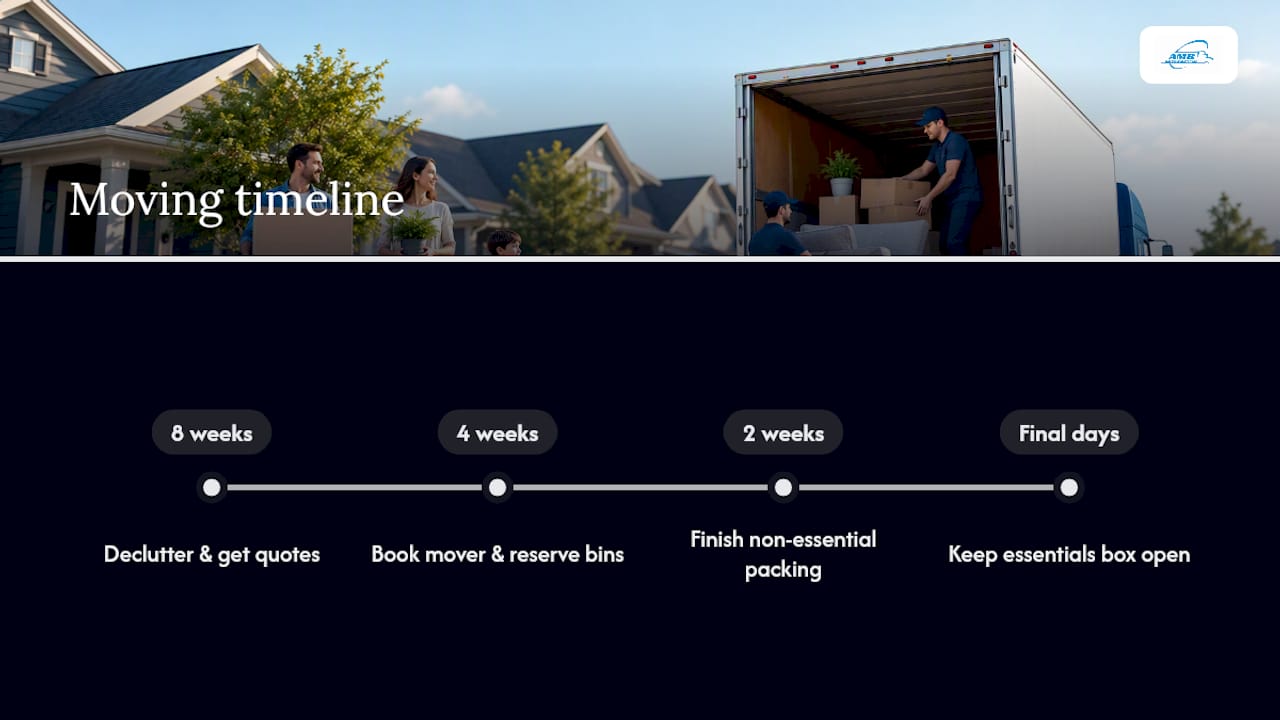
A workable timeline: declutter and get quotes at eight weeks out, book your mover and reserve bins at four weeks, finish non-essential packing at two weeks, and keep only your essentials box open during the final days. Our residential moving checklist maps this timeline against a full moving to-do list.
Why AMB Is a Practical Choice for Lower-Impact Long-Distance Moves
Ambmovingservices operates as a nationwide moving company built specifically for interstate, long-distance, and state-to-state relocations, licensed and insured for the compliance requirements those moves involve. That focus matters here because most of the eco-friendly gains in a long-distance move come from logistics: right-sized trucks, consolidated routing, and fewer repeat trips.
- Packing services that reduce the number of separate supply runs and trips to a storage unit.
- Consolidated long-distance logistics built around multi-state routes rather than one-off local jobs.
- Short- and long-term storage options that cut down on last-minute extra trips when timelines shift.
When you request a quote, ask Ambmovingservices the same questions from the vetting section above: fuel type, route consolidation, and how they handle donation and recycling on their end. A free quote request is the fastest way to get specific answers for your route.
Realistic Goals for Sustainability on a Long-Distance Move
Perfect zero-waste moves don’t really exist, especially across state lines where logistics constraints are real. A family relocating a full household 1,500 miles isn’t going to avoid every box or every gallon of diesel, and pretending otherwise sets people up to feel like they failed.
What actually works is stacking the changes that cost nothing extra: decluttering hard before packing day, reusing textiles instead of buying padding, and asking one or two direct questions before booking a truck. Those three habits do more for a move’s footprint than any single “green” product ever will. If you’d rather hand the logistics to someone else, request a quote and ask us the same vetting questions covered above.
— AMB
Get a Greener Move Started With AMB
Ambmovingservices approaches interstate relocation with the same logistics choices covered throughout this guide: right-sized trucks based on real inventory, consolidated routing instead of split trips, and packing and storage options that cut down on repeat runs to a storage unit or the dump. That’s the practical difference between a move planned around minimizing waste and one planned around whatever truck happened to be available.
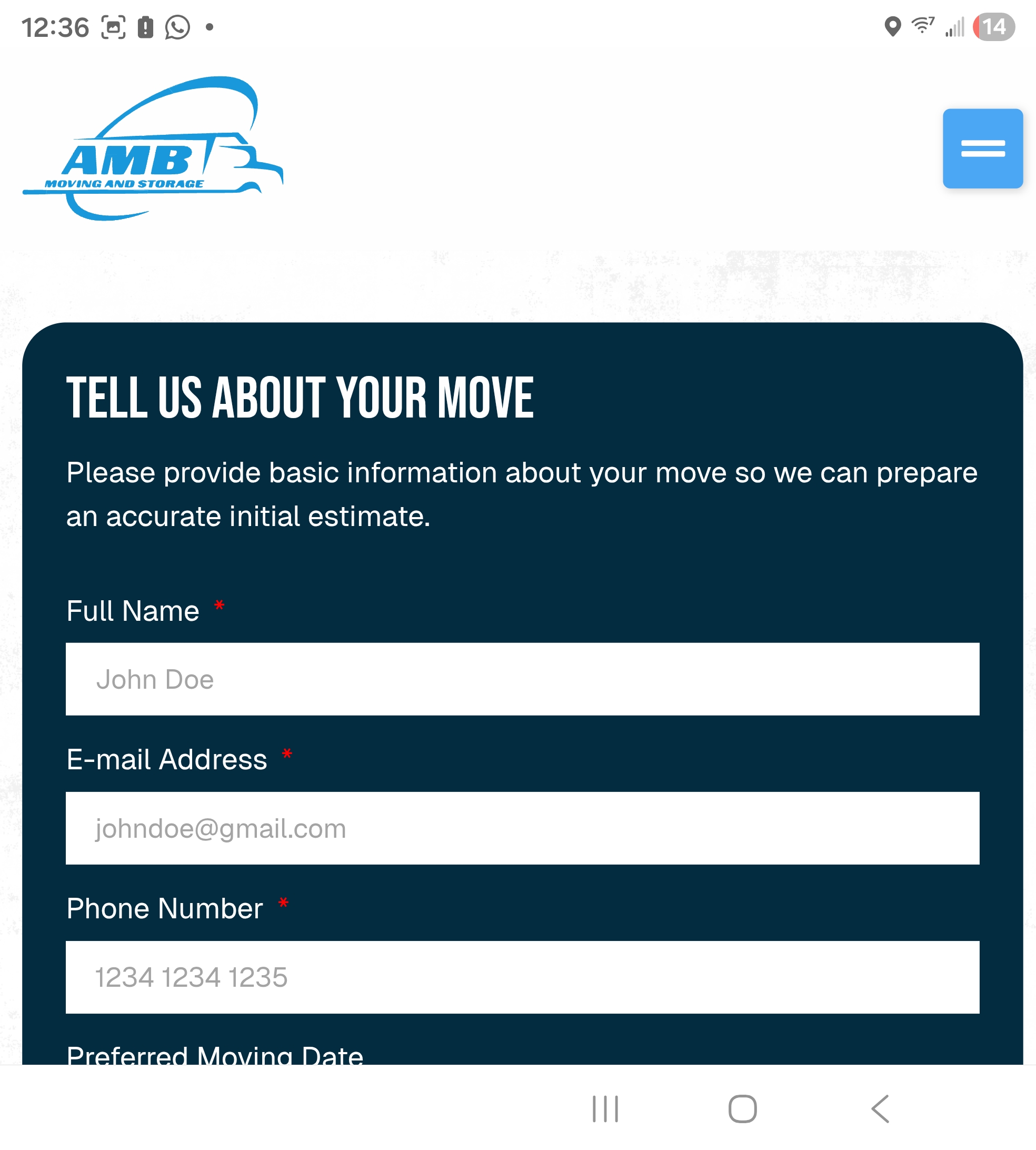
Whether you’re relocating a family across two states or a whole household across the country, the planning choices matter more than any single eco-product you buy. Ambmovingservices handles long-distance moving, interstate relocations, and nationwide moving with licensed, insured crews who can walk through fuel type, routing, and donation partnerships with you before you book. Start with a free moving quote and get a truck size and timeline built around your actual inventory, not a guess.
Sources
- What You Can Do | EPA
- Find a Mover | Move For Hunger
- Make your next move more sustainable | Consumer Reports
- Green Moving: the Best Eco-Friendly Packing Supplies | Dolly Blog (TaskRabbit)
- Eco-Conscious Cross-Country Moves: A Practical Guide | Friendly Turtle


