


TL;DR:
- A moving checklist guides families through every step of relocation, reducing stress and preventing overlook. Starting the checklist eight weeks before the move allows better planning and decision-making. Using digital tools and sharing tasks improves coordination and mental health during the process.
A moving checklist is a structured plan that guides individuals and families through every step of their relocation, ensuring nothing important is overlooked and minimizing moving-related stress. Whether you are planning a long-distance move across several states or a local transition, the importance of a moving checklist cannot be overstated. Moving ranks among the most stressful life events due to the intense decision-making load compressed into a short timeframe. A full moving checklist typically covers 50 or more tasks, from arranging utilities to packing room by room. Understanding why you need a moving checklist is the first step toward turning a chaotic process into a manageable one.
Why need a moving checklist: the core case for early planning
Starting your moving preparation checklist early is the single most effective thing you can do. Starting 8 weeks before your move date reduces stress by up to 40%. That number reflects a real behavioral shift. When you have weeks of runway, you make calmer decisions, book movers at better rates, and avoid the bottlenecks that crush last-minute planners.

The contrast is stark. 60% of movers begin packing only in the final week before their move. That delay causes what moving professionals call “moving burnout,” a state where fatigue and panic collide and small problems become crises. Utility hookups get missed. Movers are unavailable on your preferred date. Boxes pile up unlabeled and unsorted.
Early planning also gives you flexibility with your move date. Flexible move-date windows reduce moving-day pressure and accommodate unexpected delays. A checklist built 8 weeks out lets you hold two or three possible move dates, which gives you real negotiating power with movers and landlords.
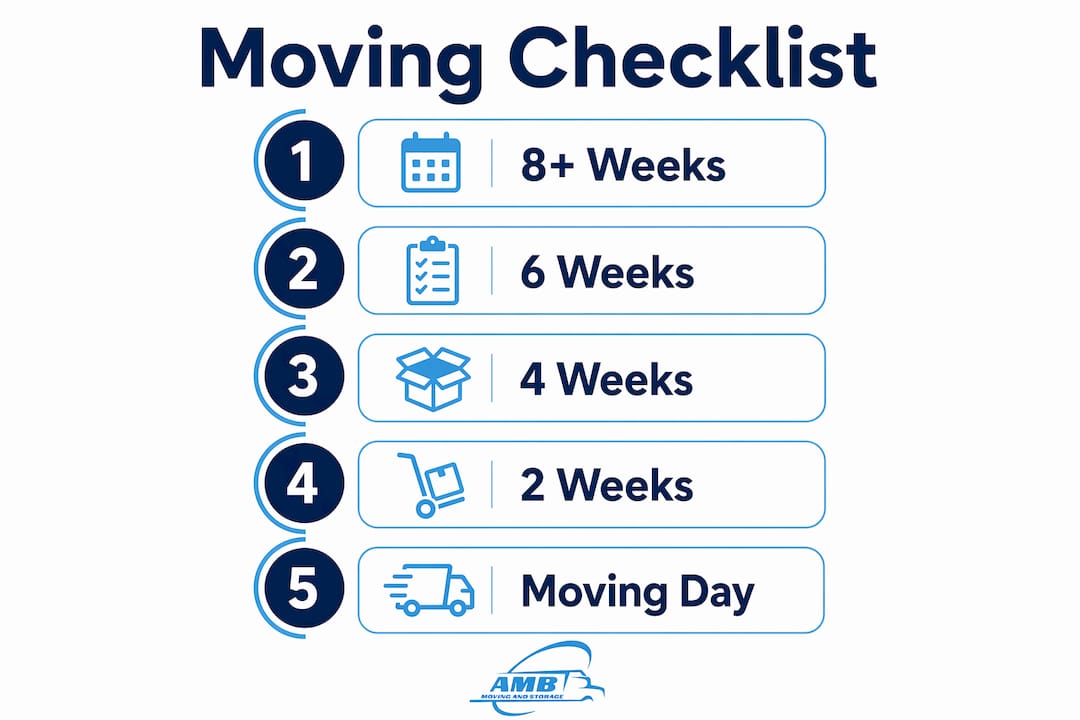
A master timeline is the backbone of any effective moving preparation checklist. Build it week by week, assigning specific tasks to each phase: decluttering in weeks 8 and 7, booking movers in week 6, packing non-essentials in weeks 5 and 4, and handling address changes in weeks 3 and 2.
Pro Tip: Create a shared digital document or use a free app like Google Keep or Notion to build your master timeline. Share it with every adult in your household so tasks are distributed and nothing falls through the cracks.
What essential tasks should a moving checklist cover?
A detailed moving checklist typically includes 50 or more tasks spanning utilities management, packing strategies, and unpack priorities in your new home. That volume surprises most first-time movers. Breaking those tasks into stages makes the list manageable and keeps you moving forward without decision fatigue.
The four core stages of a checklist for an efficient move are:
- Declutter and donate. Go room by room and remove anything you will not take. Fewer items mean lower moving costs and less packing time.
- Pack strategically. Use a room-by-room system with clearly labeled boxes. Labeling boxes by room decreases unpacking time by 30%. That time saving compounds quickly across a full household.
- Arrange utilities and services. Schedule disconnections at your old address and connections at your new one at least two weeks before your move date. Include internet, electricity, gas, and water.
- Update your address. Notify the USPS, your bank, your employer, the IRS, and subscription services. Missing even one can cause delayed mail or billing problems.
Beyond these stages, your checklist should include a centralized document hub. Keep all contracts, receipts, and mover agreements in one physical binder or a dedicated digital folder. Centralizing receipts and contracts reduces decision fatigue and cognitive exhaustion during the move. That clarity matters most when you are juggling a dozen tasks at once.
Delegating physical and high-risk tasks is also a checklist item many movers skip. Labor-only moving services cost 40–50% less than full-service moves while still eliminating the injury risk of moving heavy furniture yourself. For interstate movers handling bulky items across multiple floors, professional labor is not a luxury. It is a practical cost-benefit decision.
| Checklist stage | Key tasks |
|---|---|
| 8–6 weeks out | Declutter, research movers, set a budget |
| 5–4 weeks out | Book movers, start packing non-essentials |
| 3–2 weeks out | Arrange utilities, update address, pack most rooms |
| 1 week out | Confirm mover details, pack daily-use items |
| Moving day | Load truck, do final walkthrough, hand over keys |
How does a moving checklist protect your mental health?
Moving triggers neurological anxiety responses because of the sheer volume of micro-decisions packed into a short period. This is not personal weakness. Checkpoint lists help regain control and lower cortisol levels during stressful moves. Cortisol is the body’s primary stress hormone, and sustained high levels cause fatigue, poor sleep, and impaired judgment. A checklist interrupts that cycle by giving your brain a clear, finite set of tasks.
The concept of a “central move hub” takes this further. A move hub is a single location, physical or digital, where all your moving information lives. A central move hub lowers mental effort and allows you to focus on the emotional aspects of moving, such as saying goodbye to neighbors or helping children adjust. When you are not hunting for the mover’s phone number or the lease agreement, you have mental energy left for what actually matters.
“Delegating heavy logistical tasks to professionals lowers cortisol and frees mental capacity. Most people regret not asking for help sooner on things like heavy lifting and complex logistics.” — Psychology of Moving House
Perceived control is the psychological engine behind every moving checklist benefit. When you check off a task, your brain registers a small win. Those wins accumulate into confidence, and confidence reduces anxiety. A full moving checklist gives you that feedback loop from week 8 all the way through unpacking day.
Pro Tip: Pack a “first-day box” with moving day essentials including toiletries, medications, phone chargers, a change of clothes, snacks, and basic cleaning supplies. Load it last so it comes off the truck first. This one habit eliminates the most common source of arrival-day chaos.
What tools and strategies make a moving checklist more effective?
A checklist on paper works, but digital tools make it far more powerful. Dedicated moving checklist apps let you set reminders, assign tasks to family members, and track completion in real time. Free tools like Google Tasks, Trello, or Notion handle this well without any cost. For nationwide moving situations involving multiple stops or storage units, a shared digital checklist keeps everyone aligned across distances.
Sharing your checklist with your moving crew or professional movers is one of the most underused strategies. When movers know your room-by-room labeling system in advance, they load and unload faster. When family members each own specific tasks, no one person carries the full cognitive load. That distribution is a direct application of the mental health principle behind the central move hub.
Customizing your checklist for your specific situation adds another layer of protection:
- Families with children. Add tasks for school record transfers, pediatrician notifications, and packing a separate kids’ comfort box with familiar toys and books.
- Pet owners. Include vet record transfers, a pet-safe travel kit, and research on local veterinarians at your destination.
- Long-distance and interstate moves. Add tasks for vehicle transport, hotel bookings along the route, and confirming mover licensing with the Federal Motor Carrier Safety Administration (FMCSA).
- Eco-conscious movers. Source recycled boxes, use towels and linens as padding instead of bubble wrap, and donate unwanted items to local organizations rather than sending them to landfill.
The moving checklist benefits extend beyond the move itself. A well-documented checklist becomes a reference document for your next move or for helping a friend relocate. The time you invest in building it pays forward.
Key Takeaways
A moving checklist is the most reliable tool for reducing stress, preventing costly mistakes, and keeping a relocation on schedule from start to finish.
| Point | Details |
|---|---|
| Start 8 weeks early | Beginning your checklist 8 weeks out reduces moving stress by up to 40%. |
| Label every box by room | Room-by-room labeling cuts unpacking time by 30%, saving hours on arrival day. |
| Build a central move hub | Centralizing all contracts, receipts, and contacts reduces cognitive exhaustion. |
| Delegate physical tasks | Labor-only services cost 40–50% less than full-service moves and eliminate injury risk. |
| Pack a first-day box | Essentials packed last and unloaded first prevent arrival-day chaos immediately. |
What I’ve learned from watching movers skip the checklist
After working alongside hundreds of families on long-distance and interstate relocations, the pattern is always the same. The movers who arrive at their new home calm and organized started with a written plan. The ones who arrive exhausted and missing half their supplies did not.
The most common mistake I see is treating the checklist as optional until the final two weeks. By then, the damage is done. Movers are booked solid, utility transfers are rushed, and the family is running on adrenaline instead of a plan. The emotional weight of leaving a home compounds every logistical failure. A checklist does not eliminate that emotion. It creates the structure that lets you feel it without being overwhelmed by it.
The second mistake is building a checklist alone. Moving is a team effort. When one person holds all the information, that person becomes the bottleneck. Sharing the checklist, assigning ownership of tasks, and checking in weekly turns a solo burden into a coordinated effort. That shift alone changes the entire experience.
My honest recommendation: treat your moving checklist as a living document, not a one-time list. Update it as circumstances change, add tasks as you think of them, and review it every Sunday morning during the weeks leading up to your move. That weekly review habit is what separates a smooth relocation from a stressful one.
— AMB
How Ambmovingservices supports your moving checklist
Planning a move with a detailed checklist is the right foundation. Pairing that checklist with a licensed, insured moving company takes the execution to a different level.
Ambmovingservices specializes in long-distance and interstate relocations across the United States, handling the logistics that are hardest to manage alone: heavy furniture transport, cross-state coordination, and secure storage for items that need to arrive later. Their team works directly with your moving timeline, so your checklist and their schedule stay aligned. If your plan includes a gap between move-out and move-in dates, storage solutions through Ambmovingservices keep your belongings safe and accessible. Get a free moving quote at ambmovingservices.com/quote/ and put a professional team behind your checklist.
FAQ
Why need a moving checklist for a long-distance move?
A moving checklist keeps 50 or more tasks organized across weeks of preparation, preventing costly oversights like missed utility transfers or unconfirmed mover bookings. Long-distance moves involve more variables than local ones, making a written plan non-negotiable.
How early should I start my moving preparation checklist?
Start your checklist at least 8 weeks before your move date. Research shows this timeline reduces stress by up to 40% and gives you a buffer for unexpected delays in mover scheduling, utility hookups, and finances.
What goes in a first-day box?
A first-day box should include toiletries, medications, phone chargers, a change of clothes, snacks, and basic cleaning supplies. Pack it last so it is the first item off the truck at your new home.
Does a moving checklist actually reduce anxiety?
Yes. Checkpoint lists help lower cortisol levels by restoring a sense of control during a high-stress event. Checking off completed tasks gives your brain small, consistent wins that build confidence throughout the process.
What is the biggest moving checklist benefit for families?
For families, the biggest benefit is task distribution. A shared checklist assigns ownership to each adult, prevents one person from becoming the bottleneck, and ensures child-specific tasks like school record transfers and comfort packing are not forgotten.