


Moving across state lines involves far more than loading a truck and driving to your new address. 23% of families with children under 18 moved in 2024, and many discovered that successful relocation requires coordinating logistics, managing emotional transitions, and planning for unexpected challenges. Effective relocation planning transforms a potentially chaotic experience into a manageable process that protects your belongings, reduces stress, and helps your family adjust smoothly to your new home. This guide walks you through essential strategies and considerations to organize a successful long-distance move.
Table of Contents
- Key takeaways
- Understanding relocation planning: scope and challenges
- Comparing DIY moves and professional moving services
- Key steps for effective relocation planning and timing
- Special considerations for families relocating long-distance
- Need expert help with your long-distance move?
- Frequently asked questions
Key Takeaways
| Point | Details |
|---|---|
| Early comprehensive planning | Starting planning early helps coordinate dates, logistics, school records, and utility setup to reduce stress and avoid costly mistakes. |
| Family emotional preparation | Open communication with children during the first 90 days and involving them in planning eases adjustment and builds a sense of control. |
| Special items planning | Pets, plants, and valuables require their own checklists and timelines to ensure safe transport and proper insurance where needed. |
| DIY versus professional movers | DIY moves save money but demand more time and risk, while professional movers offer efficiency, proper packing, and safer handling of heavy loads. |
Understanding relocation planning: scope and challenges
Relocation planning encompasses every decision from selecting your moving date to preparing family members for life in a new community. Unlike local moves, long-distance relocations require you to coordinate timing across multiple locations, research new neighborhoods, transfer school records, update legal documents, and manage the emotional impact of leaving familiar surroundings. The scope extends well beyond packing boxes.
Children and teenagers face significant emotional adjustments during moves. The first 90 days prove critical for adjustment, making early communication essential. Involve kids in planning by letting them research activities in the new area, choose paint colors for their rooms, or help pack their belongings. This participation builds excitement and gives them a sense of control during uncertainty.
Special items add layers of complexity to your planning. Pets require health certificates, carrier training, and careful climate consideration during transport. Plants may not survive long journeys or could be restricted in certain states due to agricultural regulations. Valuable collections, antiques, and sentimental items need custom packing solutions and sometimes separate insurance coverage. Each category demands its own checklist and timeline.
International relocations multiply these challenges exponentially. You need to secure visas, research international schools, understand foreign tax implications, and arrange shipping that complies with customs regulations. Experts recommend starting international move planning 12 months in advance to handle documentation and legal requirements properly.
Pro Tip: Create separate planning folders for logistics, family preparation, and special items. This organization prevents important details from getting lost in the shuffle and helps you track progress across different aspects of your move.
Understanding these components early prevents last-minute scrambling and costly mistakes. Many families underestimate the time required for tasks like updating driver’s licenses, transferring medical records, or researching utility providers in the new location. Long distance moving requires attention to details that local moves never encounter, making thorough planning your best investment.
Comparing DIY moves and professional moving services
Deciding between a self-managed move and hiring professionals significantly impacts your experience, budget, and stress levels. Each approach offers distinct advantages depending on your circumstances, timeline, and comfort with physical labor.
DIY moves appeal to budget-conscious families willing to invest significant time and energy. You rent a truck, recruit friends or family, pack everything yourself, and handle the driving. This approach works well for minimalists with flexible schedules, strong physical capabilities, and helpful networks. You control every detail and potentially save thousands compared to full-service options. However, DIY moves prove energy-intensive and require substantial planning to avoid injury or damage.
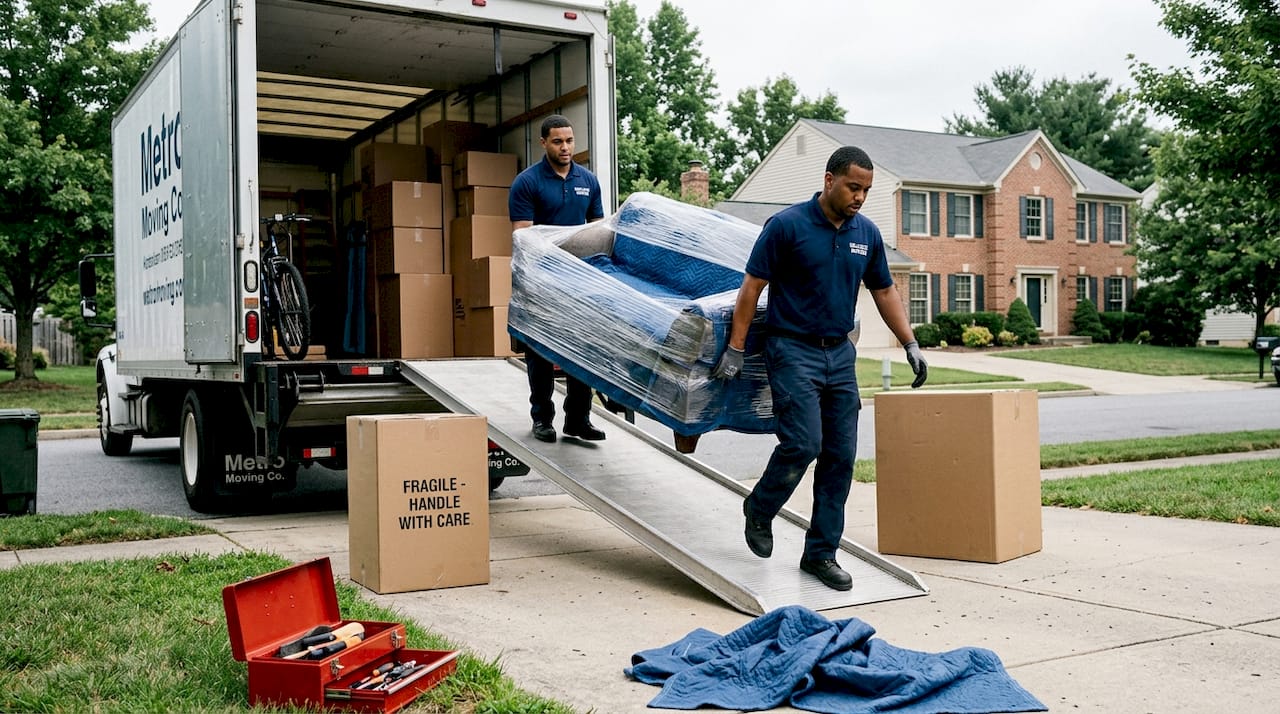
Professional movers bring expertise, equipment, and efficiency that DIY efforts struggle to match. Licensed carriers provide proper packing materials, trained crews who understand weight distribution and securing loads, and insurance coverage that protects your belongings. For families with young children or pets, professional services eliminate the physical strain and time pressure of managing everything alone. You can focus on emotional preparation and settling your family while experts handle logistics.
| Factor | DIY Move | Professional Movers |
|---|---|---|
| Cost | Lower upfront ($2,000-4,000) | Higher upfront ($5,000-12,000) |
| Physical effort | Extremely high | Minimal |
| Time required | 3-5 days of intense work | 1-2 days of coordination |
| Injury risk | Significant | Very low |
| Damage protection | Limited to rental insurance | Comprehensive coverage options |
| Stress level | High | Moderate to low |
Consider your specific situation carefully. Families relocating with infants, elderly relatives, or multiple pets often find professional packing services worth the investment. The time saved allows you to handle school transitions, say proper goodbyes, and research your new community instead of spending weeks wrapped in packing tape and bubble wrap.
Digital tools help DIY movers stay organized. Apps like Sortly or Moving Planner let you photograph boxes, track inventory, and create room-by-room checklists. These resources reduce the chaos of unpacking and help ensure nothing gets left behind or lost in transit.
Pro Tip: Get quotes from at least three moving companies if considering professional help. Prices vary significantly, and in-home estimates reveal hidden costs that phone quotes miss. Compare moving cost factors like fuel surcharges, stair fees, and packing material charges to make informed decisions.
The right choice depends on your priorities. If saving money matters most and you have time plus physical capability, DIY works. If protecting your belongings, reducing stress, and focusing on family adjustment take priority, professional movers deliver value that outweighs the higher cost.
Key steps for effective relocation planning and timing
Timing separates smooth relocations from chaotic disasters. Starting your planning process at least 2-3 months before your moving date gives you breathing room to handle unexpected complications and secure the best rates from service providers.
Begin by decluttering ruthlessly. Walk through every room and honestly assess what deserves space in the moving truck. Decluttering saves 20-40% on moving costs by reducing weight and volume. Donate items in good condition, sell valuable pieces you no longer need, and dispose of broken or outdated belongings. This process lightens your load and gives you a fresh start in your new home.
- Create a master moving binder or digital folder containing all documents, quotes, receipts, and checklists
- Research and book your moving method 6-8 weeks in advance to secure preferred dates and better pricing
- Notify important parties including employers, schools, doctors, banks, and subscription services of your address change
- Begin packing non-essential items like seasonal decorations, books, and rarely used kitchen equipment 4-6 weeks out
- Schedule utility disconnections at your current home and connections at your new address for moving day
- Arrange for pet care or plant transport well in advance, as these require special coordination
- Pack an essentials box with items you’ll need immediately upon arrival before anything gets unpacked
- Conduct a final walkthrough of your current home to check for forgotten items in closets, attics, and storage areas
Scheduling strategically dramatically impacts your costs and experience. Peak moving season runs from June through August when families relocate between school years. Demand spikes prices by 30-50% during these months. Moving during fall or winter often yields better rates and more flexible scheduling. Similarly, avoid month-end dates when leases expire and movers face maximum demand.
Pro Tip: Pack one room completely before starting another. This approach maintains organization and lets you live normally in unfinished spaces. Label boxes with destination rooms and brief content descriptions on multiple sides for easy identification during unloading.
A detailed nationwide moving checklist keeps you on track as moving day approaches. Break large tasks into smaller daily actions. Instead of “pack kitchen,” schedule “pack dishes Monday, pack pantry Tuesday, pack cookware Wednesday.” This granular approach prevents overwhelm and ensures steady progress.
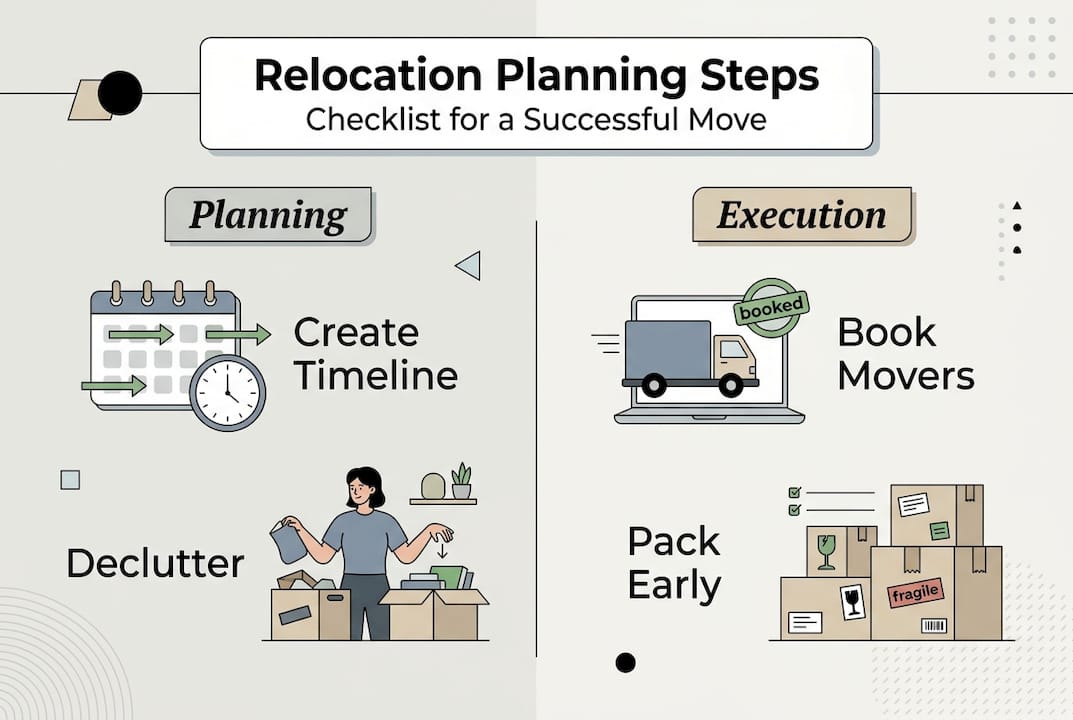
Start packing non-essentials early but save everyday items for the final week. You still need dishes, toiletries, and clothing until the last moment. Clearly mark boxes containing essentials you’ll need first at your new home, such as bedding, towels, basic tools, and important documents. This strategy prevents frantic searching through dozens of boxes when you’re exhausted after a long moving day.
Special considerations for families relocating long-distance
Families face unique challenges that single individuals or couples without dependents never encounter. Your planning must account for emotional needs, safety requirements, and logistical complications that come with moving children and pets across state lines.
Pets require careful preparation for safe transport. Schedule veterinary checkups to ensure current vaccinations and obtain health certificates required for interstate travel. Some states mandate specific documentation at border crossings. Acclimate pets to carriers gradually over several weeks rather than forcing them in on moving day. Research pet-friendly hotels along your route if driving, and never leave animals in hot vehicles during rest stops. Consider specialized pet transport services for anxious animals or extremely long distances.
Plants present similar challenges. Many states restrict bringing plants across borders due to pest and disease concerns. Research regulations for your destination state before assuming you can transport your greenery. For allowed plants, water them thoroughly a few days before moving but not immediately before to prevent soil spillage. Wrap pots in plastic and secure them in climate-controlled vehicles. Extreme temperatures during transport kill most houseplants.
- Involve children in age-appropriate planning tasks to build excitement and reduce anxiety about the unknown
- Visit your new neighborhood before moving day if possible, showing kids their school, parks, and fun local spots
- Maintain routines as much as possible during packing and the transition period to provide stability
- Pack a special bag for each child with favorite toys, books, and comfort items easily accessible during travel
- Schedule playdates or video calls with old friends after moving to maintain important relationships
| Family Need | Planning Timeline | Key Actions |
|---|---|---|
| School transfer | 4-6 weeks before | Request transcripts, research new schools, schedule tours |
| Childcare | 6-8 weeks before | Research options, visit facilities, secure enrollment |
| Pet transport | 3-4 weeks before | Vet checkup, health certificate, carrier training |
| Medical records | 2-3 weeks before | Request copies, research new providers, transfer prescriptions |
Storage solutions provide flexibility when closing dates don’t align perfectly or you need time to find the right permanent home. Storage facilities offer short-term or long-term options for belongings that don’t fit immediately in your new space. Climate-controlled units protect sensitive items like electronics, photographs, and wooden furniture from temperature extremes during transition periods.
International relocations require even more extensive preparation. You need to plan 12 months ahead for visa applications, work permits, school enrollments, and shipping logistics. Research healthcare systems, banking requirements, and tax implications in your destination country. Language barriers, cultural adjustments, and legal complexities multiply the planning demands exponentially compared to domestic moves.
State to state moving within the US remains simpler than international relocation but still requires attention to varying regulations. Driver’s license transfer deadlines, vehicle registration requirements, and professional license reciprocity differ by state. Research these details early to avoid legal complications after arrival.
Need expert help with your long-distance move?
Planning a long-distance relocation involves countless details that can quickly become overwhelming, especially when balancing work, family needs, and the emotional aspects of leaving your current home. Professional moving services eliminate much of this stress by handling logistics, packing, and transportation while you focus on preparing your family for the transition.
AMB Moving & Storage Inc. specializes in interstate moving for families relocating across the United States. Our federally licensed team provides comprehensive solutions including professional packing services that protect your belongings, secure transportation with experienced drivers, and flexible storage options when you need them. We understand that every family’s situation is unique, which is why we offer customized moving plans that fit your timeline, budget, and specific requirements. Let our expertise simplify your relocation so you can concentrate on starting your new chapter with confidence.
Frequently asked questions
What exactly does relocation planning include?
Relocation planning covers all aspects of moving from one location to another, including selecting moving dates, organizing logistics, packing belongings, arranging transportation, updating legal documents, transferring school and medical records, and preparing family members emotionally for the transition. It extends beyond physical moving to encompass research about your new community, utility setup, and adjustment strategies.
How far in advance should I start planning a long-distance move?
Start planning at least 2-3 months before your target moving date for domestic relocations. This timeline allows you to compare moving companies, declutter effectively, pack systematically, and handle administrative tasks without rushing. International moves require 12 months or more due to visa processing, shipping logistics, and legal requirements.
Is hiring professional movers worth the extra cost?
Professional movers provide significant value through expertise, proper equipment, insurance coverage, and time savings that DIY moves cannot match. Families with young children, pets, or valuable belongings especially benefit from professional services. The reduced physical strain, lower injury risk, and stress relief often justify the higher upfront cost compared to self-managed moves.
What should I do first when planning a family relocation?
Create a master timeline and checklist that breaks down all tasks by deadline. Then declutter your home to reduce moving costs and simplify packing. Next, research your new community including schools, healthcare providers, and family activities. Early communication with children about the move helps them process emotions and build excitement about the new adventure.
How can I help my children adjust to a long-distance move?
Involve children in planning decisions appropriate for their age, maintain familiar routines as much as possible, and acknowledge their feelings about leaving friends and familiar places. Visit the new area before moving if feasible, help them stay connected with old friends through video calls, and quickly establish new routines and activities in your new community to build comfort and belonging.
What items require special planning during long-distance moves?
Pets need health certificates, carrier training, and climate-appropriate transport arrangements. Plants may face state restrictions and require special packing. Valuable collections, antiques, and sentimental items need custom protection and possibly separate insurance. Important documents should travel with you rather than in the moving truck. Perishable foods and hazardous materials cannot be transported by professional movers.