


Book local movers 3 to 4 weeks ahead, long-distance movers 6 to 8 weeks ahead, and cross-country movers 8 to 12 weeks ahead, according to Freightwaves Checkpoint. Add extra time during peak season or for specialty items, and never sign an estimate until you understand whether it is binding or non-binding.
TL;DR:
- Peak season runs from May through September, so add 2 to 4 weeks to standard lead times; midweek and midmonth dates often have more openings.
- During peak season, pianos, safes, antiques, and fine art may require 2 to 4 months’ notice, while large loads and access problems need earlier coordination.
- A nonbinding estimate can lead to final charges of up to 110% of the quoted amount at delivery unless you and the mover agree otherwise.
- Wait to lock a date until your inventory and move timing are reasonably firm, and confirm deposit, cancellation, and rescheduling terms in writing.
Table of Contents
- Recommended booking windows by move type
- How peak season and timing affect availability and cost
- Which move details push your booking timeline earlier
- Locking your price: estimates, U.S. DOT checks, and paperwork
- A week-by-week booking checklist
- Choosing a mover worth booking early
- Common mistakes when booking too early or too late
- How cancellations and rescheduling affect your booking
- AMB’s approach to booking long-distance moves
- Ready to lock in your moving date
- FAQ
- Sources
Recommended booking windows by move type
How far ahead you book depends on distance, season, and how much flexibility you need in your pickup window. A move across town carries different risk than one crossing five states, and the lead time should match that risk.

For local moves, staying within the same metro area, 3 to 4 weeks of notice usually works, since crews rotate faster and trucks stay close to home. Long-distance and interstate moves need more runway because trucks and crews are scheduled across multiple states, and Freightwaves recommends booking 6 to 8 weeks out for the best combination of price, availability, and flexible delivery windows. Cross-country relocations, especially those spanning multiple time zones, benefit from 8 to 12 weeks of lead time, giving movers room to coordinate linehaul routing and backup delivery dates.
Booking less than 4 weeks before move day is possible but comes with tradeoffs:
- Fewer available pickup and delivery windows, often forcing you into whatever slot remains
- Higher likelihood of paying peak-demand rates even outside peak season
- Limited time to get more than one in-home or virtual survey before signing
If your inventory is small, a few boxes and furniture pieces rather than a full household, a portable container or small-load carrier can sometimes be booked on shorter notice than a full-service interstate van line, though availability still tightens in summer months.
- Decide your move type (local, interstate, or cross-country) first.
- Match that type to its recommended booking window above.
- Add 2 to 4 weeks of buffer if your move falls between May and September.
How peak season and timing affect availability and cost
Peak moving season runs from May through September, driven by school calendars and lease expiration cycles, which pushes demand and prices higher during that stretch, according to Freightwaves Checkpoint. Families time moves around the school year, and most residential leases turn over in summer, so trucks and crews book up fast.
Mid-week and mid-month dates tend to offer better rates and more open slots than weekends or month-end dates, when demand clusters because of lease turnover and paycheck timing.
- Tuesday and Wednesday pickups are generally easier to secure than Friday or Saturday slots
- Mid-month dates, away from the 1st and the 30th, usually see less competition for trucks
- Moves booked in peak season should add 2 to 4 extra weeks to the windows described above
Which move details push your booking timeline earlier
Not every move fits neatly into the standard windows. A few details should push you toward booking sooner rather than later.
Household size matters: a studio apartment inventory can often be scheduled closer to the move date than a four-bedroom house, since larger loads need bigger trucks and more crew hours to plan around. Specialty items, pianos, safes, antiques, or fine art, often require movers with specific equipment and training, and Freightwaves notes these bookings, along with portable container reservations, often need 2 to 4 months of lead time during peak season.
Access issues add coordination time too:
- Narrow streets, walk-up buildings, or long carries from truck to door may require a site visit before quoting
- Elevator reservations in high-rise buildings often need building management approval days or weeks ahead
- Temporary storage between move-out and move-in adds a scheduling layer that works better with more notice
Ask for a binding estimate once your inventory is firm and access details are confirmed; ask for non-binding only when your move is still in flux and you need a rough number to plan around.
Pro Tip: Walk through every room with your estimator, closets and garage included, so the written estimate reflects your actual inventory rather than a guess.

Locking your price: estimates, U.S. DOT checks, and paperwork
Booking early only protects you if the price behind the booking is solid. Federal rules give you two ways to lock that price, and it pays to understand both before you sign anything.
- Ask whether the estimate is binding or non-binding: a binding estimate must be written and signed, while a non-binding estimate can result in final charges up to 110% of the quoted amount at delivery unless you and the mover agree otherwise, per federal regulation.
- Request an in-home or virtual survey before signing, since a physical or virtual inventory walkthrough is the most reliable way to get an accurate binding number.
- Verify the mover’s U.S. DOT number and complaint history before booking, a step FMCSA recommends as part of selecting a mover.
- Read the order for service and bill of lading carefully, since these documents govern your scheduled dates, charges, and your rights if you need to cancel or reschedule.
A binding estimate must be written and signed; non-binding estimates can result in charges up to 110% of the estimate at delivery unless otherwise agreed.
This is exactly why getting a written estimate before you sign protects both your budget and your moving date.
A week-by-week booking checklist
Turning these windows into action means mapping tasks to a calendar rather than a vague intention to “book early.”
- 3+ months out: research moving companies, request rough quotes, and gather required documents like leases or closing paperwork.
- 6 to 8 weeks out: confirm interstate or long-distance bookings and schedule your in-home or virtual survey.
- 2 to 4 weeks out: finalize packing plans, arrange storage or building permits, and confirm pickup and delivery windows in writing.
- 1 week to move day: reconfirm arrival times, payment method, and building access instructions with your crew.
Along the way, keep a short list handy:
- FMCSA’s Moving Checklist, part of its Protect Your Move resources, outlines documents movers must provide
- Your signed order for service and bill of lading, kept accessible on move day
- Contact information for your moving coordinator and a backup number
Choosing a mover worth booking early
Booking early only pays off if the mover you book is reliable, so vetting comes before scheduling. Start by confirming licensing: verify the company’s U.S. DOT number and check its complaint record through FMCSA before signing anything.
Beyond licensing, a few questions separate solid movers from risky ones:
- Do you provide written binding estimates, and will someone walk my home before quoting?
- How do you handle specialty items like pianos or safes, and is that pricing separate?
- What happens if my delivery window slips, and how is that communicated?
- Can you provide proof of insurance and cargo coverage for interstate moves?
Compare at least two or three estimates, but weigh them against the survey quality and documentation offered, not price alone. A company that skips the in-home or virtual survey and quotes over the phone is more likely to adjust charges later. Ask how long the company has operated under its current U.S. DOT number, since a long operating history under one registration is a reasonable proxy for stability. Read how clearly each company explains the order for service and bill of lading, since clarity there often predicts clarity on move day.
Common mistakes when booking too early or too late
Booking too far ahead carries its own risks, not just booking too late. Locking a date 6 months out before your inventory, closing date, or lease terms are firm can mean rebooking, renegotiating a price, or losing a deposit if plans shift.
Booking too late creates a different set of problems:
- Fewer trucks and crews available, pushing you toward whichever date is left rather than the one you want
- Reduced ability to negotiate a binding estimate, since movers under schedule pressure may only offer non-binding quotes
- Higher risk of settling for a mover you have not fully vetted, simply because they are available
A middle mistake is confusing a verbal quote with a real booking. A phone estimate without a written document is not a confirmed reservation, and relying on one can leave you without a truck when move day arrives. Another common error is ignoring specialty items until the final weeks, then discovering the mover needs 2 to 4 months of notice for a piano or safe that was mentioned too late to schedule properly.
The safest approach sits in the middle: book inside the recommended windows once your dates are reasonably firm, and treat anything earlier or later as a deliberate tradeoff rather than a default.
How cancellations and rescheduling affect your booking
Most moving companies attach cancellation and rescheduling terms to the order for service you sign, so read that document before assuming you can shift dates freely. Deposits are often partially or fully refundable within a certain window before move day, but that window varies by company and should be confirmed in writing rather than assumed.
Rescheduling close to peak season carries more risk than rescheduling in slower months, simply because replacement dates are harder to find between May and September. If your plans are still uncertain, ask whether the mover offers a grace period for date changes without penalty, and get that answer in writing alongside your estimate.
Canceling and rebooking with a different company rarely saves money once you account for lost deposits and the need to start the survey and estimate process over. In most cases, working with your original mover to shift the date, rather than starting over, preserves both your price lock and your place in the schedule.
AMB’s approach to booking long-distance moves
We schedule interstate moves using the same windows outlined here, pairing binding estimates with in-home or virtual surveys to help pricing hold from booking to delivery. Our crews provide specialty handling for pianos and safes to support cross-country bookings made well in advance moving on schedule, even during peak season.
— AMB
Ready to lock in your moving date
Once you know your booking window, the next step is getting a real number attached to it. We offer virtual and in-home surveys for long-distance moving, interstate relocations, and specialty item handling, turning rough estimates into binding ones before demand tightens your options.
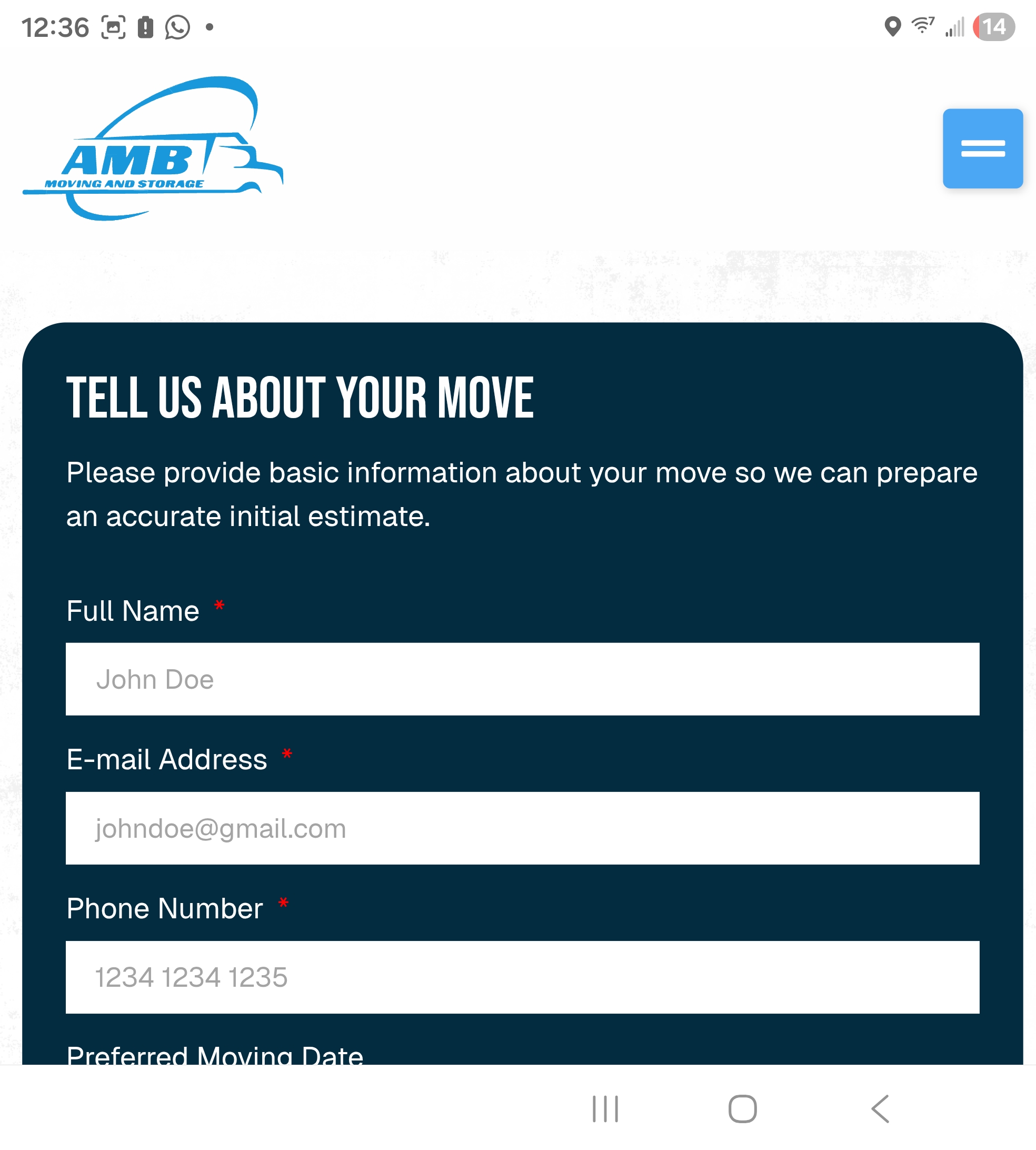
- Request a free quote to start your binding estimate
- Ask about packing, storage, or specialty handling alongside your move
- Lock your date 6 to 8 weeks out for long-distance, or 8 to 12 weeks for cross-country
Get your quote now and secure your preferred moving date before peak season fills the calendar.
FAQ
How far in advance should you schedule local movers?
Local movers generally need 3 to 4 weeks of notice, though booking sooner helps during the May through September peak season. Shorter notice is sometimes possible, but you will likely have fewer available time slots to choose from.
How far in advance should I book removals?
For interstate or long-distance removals, booking 6 to 8 weeks ahead gives the best mix of price, availability, and flexible delivery windows, according to Freightwaves. Cross-country removals benefit from 8 to 12 weeks of lead time.
How far in advance do you need to book a moving truck?
A full-service moving truck for an interstate move should be booked 6 to 8 weeks ahead, while local moves can often work with 3 to 4 weeks. Portable container or small-load options sometimes allow shorter notice, though summer months tighten availability across the board.
How far in advance should I plan my move?
Start planning at least 3 months out: researching movers, gathering documents, and getting rough quotes, then confirm your booking 6 to 8 weeks before move day for long-distance moves. Specialty items like pianos may need 2 to 4 months of notice during peak season, per Freightwaves.
What is the difference between a binding and non-binding estimate?
A binding estimate is written and signed, locking your price regardless of final weight or volume, while a non-binding estimate can result in charges up to 110% of the quoted amount at delivery, per federal regulation. Getting an in-home or virtual survey before signing improves the accuracy of either type.
Sources
- How Early To Book a Mover (& Why It Matters) – Freightwaves Checkpoint
- Steps to Select a Mover | FMCSA
- § 375.403 – How must I provide a binding estimate? (CFR)